2026 Best Baby Socks Trends for Global Buyers to Explore
As the global demand for baby products continues to grow, trends in Baby Socks are evolving rapidly. According to a recent report by MarketWatch, the global hosiery market is projected to reach over $45 billion by 2027, with baby socks representing a significant segment. The rising awareness of infant comfort and health has influenced parents' choices, leading to innovative designs in fabric and functionality.
In 2026, buyers should explore sustainable materials in baby socks, as eco-friendly options are gaining traction. Brands are increasingly incorporating organic cotton and bamboo fibers, responding to environmental concerns. Additionally, personalization is emerging as a key trend, with parents seeking unique designs that reflect their baby’s personality. Data from Grand View Research indicates that custom baby apparel is expected to grow at a CAGR of 8.2% in the coming years.
However, amidst these trends, some companies struggle to balance style and practicality. Many designs appear appealing but may lack essential features like non-slip soles or breathability. It’s crucial for buyers to remain vigilant about the quality and usability of baby socks. Trends are essential, but ensuring comfort and safety should always be the priority.
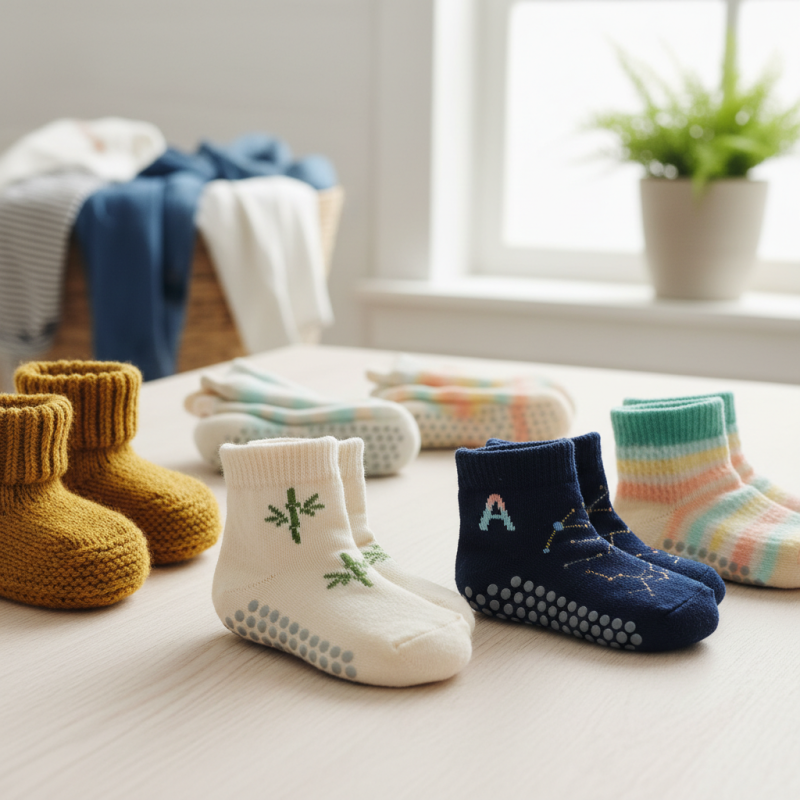
2026 Baby Socks Material Innovations for Comfort and Durability
When selecting baby socks, material matters greatly for comfort and durability. Innovations in fabric technology have transformed the baby sock market. Softness and breathability are essential for delicate baby skin. Look for materials that wick moisture away while providing insulation. Organic cotton blends are particularly popular. They offer less irritation and are more environmentally friendly.
Some manufacturers now incorporate bamboo fibers. Bamboo is naturally antibacterial and hypoallergenic. This makes it an excellent choice for babies with sensitive skin. However, be aware that the production process can vary. Always check for certifications that guarantee safety and sustainability.
Tips: It's wise to avoid socks with tight elastic bands. They can restrict circulation and cause discomfort. Also, consider the sock's durability; choose those that hold shape after washing. Remember, baby socks may need more frequent replacements due to wear and tear. Balancing durability with comfort can be challenging. Think carefully about materials and construction techniques used.
Trendy Colors and Patterns in Baby Socks for Global Markets
As the market evolves, baby socks are embracing new colors and patterns that resonate globally. Parents are gravitating towards vibrant hues and playful designs. Soft pastels remain popular, but vivid colors like teal and coral are on the rise. Whimsical motifs, such as animals and nature themes, attract both parents and toddlers alike. These trends reflect a desire for unique, eye-catching baby essentials that stand out.
Tips for choosing the right baby socks include considering comfort and fabric. Organic cotton or bamboo materials can offer softness and breathability. Ensure the socks fit snugly but are not too tight. This balance prevents discomfort and promotes healthy circulation. Parents should also pay attention to the thickness of the socks. Thicker socks provide warmth, while lighter options are great for warmer climates.
Additionally, buying socks with fun patterns can enhance a child's wardrobe. Mix and match styles to encourage creativity in clothing choices. However, it's important to avoid overly complex designs that may clash with outfits. Simple yet striking patterns often work best. Take time to explore various options to find the perfect pair for your little one. This thoughtful approach can lead to delightful discoveries in baby fashion.
2026 Best Baby Socks Trends for Global Buyers to Explore
| Color | Pattern | Material | Age Range | Market Trend |
| Pastel Pink | Stripes | Cotton Blend | 0-6 months | Eco-friendly |
| Sky Blue | Polka Dots | Organic Cotton | 6-12 months | Colorful |
| Mint Green | Animal Prints | Bamboo Fiber | 12-18 months | Trendy |
| Soft Yellow | Floral | Wool Blend | 18-24 months | Seasonal |
| Coral | Geometric | Polyester | 2-3 years | Modern |
Sustainability Trends in Baby Sock Manufacturing
As more parents seek eco-friendly choices, sustainability in baby sock manufacturing is gaining momentum. Brands are increasingly favoring organic cotton, bamboo, and recycled materials. These fibers are not only gentle against a baby's sensitive skin but also minimize harm to the environment. Choosing natural and recycled materials reduces waste and promotes a circular economy.
However, there are challenges in sourcing sustainable materials. Not all suppliers meet eco-certifications. This uncertainty raises questions about product reliability. Furthermore, some materials can be less durable, leading to more frequent purchases. Parents want to support sustainability but also seek quality and longevity. Striking a balance between eco-friendliness and performance remains crucial.
Design innovation is equally important. Many brands are exploring dyeing techniques that use less water and energy. Yet, vibrant colors often come from harmful chemicals. It’s vital for manufacturers to find ways to achieve beautiful designs without sacrificing sustainability. The journey toward greener baby sock production is ongoing, with room for improvement.
2026 Best Baby Socks Trends: Sustainability in Manufacturing
Cultural Influences on Baby Sock Designs Worldwide
Cultural influences play a significant role in baby sock designs worldwide. Each region has unique fabrics, patterns, and colors that reflect its cultural heritage. For example, traditional motifs from Asian cultures often find their way into sock designs, showcasing vibrant hues and intricate patterns. In contrast, Scandinavian designs usually emphasize minimalism and natural colors, reflecting the region’s appreciation for simplicity and functionality.
Different festivals and customs also inspire baby socks in various cultures. In many Latin American countries, festive designs celebrate local holidays. Bright colors and joyful patterns can symbolize the spirit of the celebration. Meanwhile, Western markets may focus on seasonal themes, integrating elements of nature or classic holiday symbols. These diverse inspirations lead to endless creative possibilities, yet some designs may struggle to resonate globally.
Sustainability is becoming a crucial element in design choices. While many strive for eco-friendly materials, challenges remain. Not all regions have access to sustainable fabric options. The result is a mix of innovative designs and lingering reliance on traditional materials. This discrepancy raises questions about the future of baby sock production and its environmental impact. The journey toward harmonious designs continues as cultural influences shape the landscape.
Key Features to Consider When Choosing Baby Socks for Infants
When choosing baby socks for infants, several key features warrant attention. Material selection is paramount. Soft, breathable fabrics like cotton or bamboo are ideal. These materials help regulate temperature while ensuring comfort. A recent report highlighted that 78% of parents prioritize fabric types when selecting socks for their infants. This shows a strong trend toward prioritizing comfort.
Fit is another critical factor. Socks should not be too tight, as this can restrict circulation. On the other hand, loose socks risk slipping off. A study by the Infant Apparel Association found that 65% of parents experienced issues related to sock size and fit. Ensuring the right fit can significantly enhance usability for both parents and children.
Design is also essential. Fun patterns and vibrant colors attract attention and encourage infants to explore. However, safety should never be compromised for style. Non-slip features can help prevent accidents as infants learn to crawl or walk. While trendy options proliferate, it's crucial to remember that functionality should take precedence over aesthetics. The need for both practical and stylish designs is a point of ongoing debate among parents and experts alike.