Colourinn Industries – Textile & Dyes Auxiliaries Manufacturer & Exporter

Blog

  1. Home
  2. /
  3. Blog

What is the Best Dyeing Textile Process in 2026?

The textile industry is evolving rapidly. In 2026, innovations in the dyeing textile process will play a crucial role. Global reports indicate that the demand for eco-friendly dyeing technologies is increasing by over 25% annually. Consumers are becoming more aware of environmental issues. They seek sustainable options that do not compromise quality.

Current dyeing methods often involve harmful chemicals. These practices can lead to pollution and waste. Emerging processes aim to reduce water usage by up to 90%. Some companies are exploring plant-based dyes, which can be safer and more sustainable. However, inconsistencies in colorfastness and durability need addressing.

The future holds promise but also reflects challenges. Companies are urged to rethink traditional practices. Achieving efficiency without compromising environmental standards will be vital. As the industry navigates these complexities, the evolution of the dyeing textile process remains uncertain. It requires constant innovation and reflection to meet consumer expectations.

What is the Best Dyeing Textile Process in 2026?

Emerging Dyeing Techniques for Sustainable Textiles in 2026

In 2026, the textile industry continues to evolve with innovative dyeing techniques focused on sustainability. Traditional methods often waste water and release harmful chemicals. Now, shaking off the old ways, we see a shift towards natural dyes. These dyes, derived from plants and minerals, are less polluting. They provide vibrant colors without damaging the environment.

Another prominent technique emerging is digital dyeing. This process uses printers to apply colors directly onto fabrics. It reduces water usage significantly. Digital dyeing also cuts down on textile waste. However, it comes with challenges. The technology requires investment and skill development. Not all manufacturers can implement it effectively.

There is a growing interest in waste dyeing too. This method utilizes leftover materials, transforming them into beautiful designs. Yet, it is not without flaws. Quality control issues arise, leading to inconsistency in color and texture. The industry must address these problems to truly embrace eco-friendly practices. As we explore these techniques, achieving a balance between sustainability and quality remains a key focus for the future.

What is the Best Dyeing Textile Process in 2026? - Emerging Dyeing Techniques for Sustainable Textiles in 2026

Dyeing Technique Sustainability Rating Water Usage (Liters/kg) Energy Consumption (kWh/kg) Chemical Usage (g/kg)
Recycled Cotton Dyeing High 30 2.5 15
Digital Inkjet Dyeing Very High 10 1.0 5
Biodegradable Dyeing High 20 3.0 10
Waterless Dyeing Very High 0 2.0 7
Enzyme-based Dyeing Moderate 15 2.7 20

Comparison of Traditional vs. Modern Dyeing Methods

What is the Best Dyeing Textile Process in 2026?

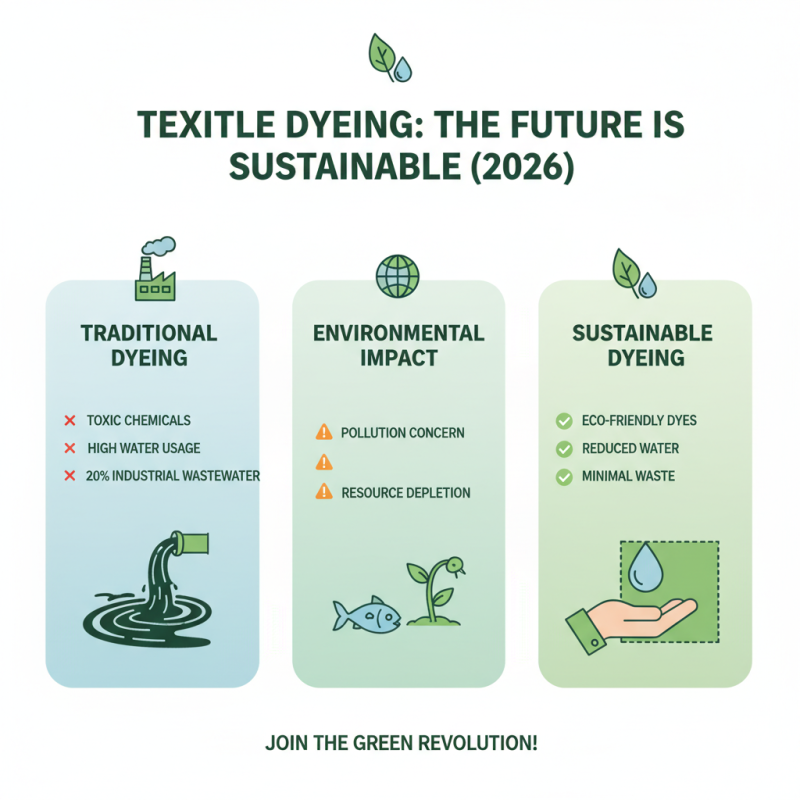
In 2026, the textile industry is increasingly focused on sustainable dyeing options. Traditional dyeing methods often use toxic chemicals and large amounts of water. Reports show that these methods can produce significant waste. About 20% of industrial wastewater comes from dyeing processes. This raises concerns about environmental impact.

On the other hand, modern dyeing methods leverage technology and innovation. Techniques like digital printing and eco-friendly dyes are gaining traction. A recent industry study highlighted that these methods can reduce water usage by up to 90%. However, they can be costly to implement, which poses a challenge for smaller manufacturers.

**Tip:** When choosing a dyeing process, consider the long-term environmental impact. Sustainable methods can enhance your brand's image. Always assess the cost versus environmental benefits. Moreover, stay updated on regulations concerning textile waste. These can influence your manufacturing decisions. Balancing cost and sustainability is not always straightforward. Embrace innovation, but reflect on practical limitations too.

Innovations in Eco-Friendly Dyes and Their Impact on the Industry

The textile industry is facing a significant transformation in 2026. Innovations in eco-friendly dyes are leading the way. These dyes, derived from natural sources, offer a sustainable alternative to harmful chemicals. They minimize pollution in water systems, benefiting both the environment and communities. However, the transition is not without challenges.

Many manufacturers struggle to adapt to these new methods. Traditional practices are deeply rooted in the industry. Some pigments lack the vibrancy and color fastness that synthetic dyes provide. As a result, color consistency can sometimes fall short. This can lead to waste and dissatisfaction among consumers. Additionally, sourcing natural ingredients can be unpredictable. Weather conditions and agricultural practices affect availability.

Despite these hurdles, the potential impact of eco-friendly dyes is noteworthy. They promote a circular economy by reducing waste. Improved awareness of sustainability is inspiring change. Yet, more education is needed within the industry. A balance must be struck between innovation and quality. There’s a long road ahead. The dialogue on these innovations continues, revealing both opportunities and obstacles. The industry is evolving, and we must reflect on its direction.

Eco-Friendly Dye Innovations and Their Usage in 2026

The Role of Technology in Advancing Textile Dyeing Processes

In 2026, the textile dyeing industry is set to undergo significant transformations driven by technology. Advanced methods such as digital printing and automated dyeing systems are gaining traction. They offer better precision and reduce water wastage. Reports indicate that digital textile printing can reduce water usage by up to 95% compared to traditional methods. This shift not only conserves resources but also delivers vibrant colors.

Tips: Consider using eco-friendly dyes. They are safer and often more sustainable. Check certifications before choosing dyes. Your choices matter.

Automation in dyeing processes is also on the rise. Smart systems can monitor parameters in real time, ensuring consistency and quality. However, reliance on technology can pose challenges. Equipment malfunctions may lead to significant delays. Moreover, skilled labor is still essential to manage these advanced systems effectively. Balancing technology with human expertise is crucial for success.

Tips: Invest in training for your workforce. Adaptation to new technology is vital. Encourage innovation in your team.

Consumer Trends Influencing Dyeing Practices in 2026

As we head into 2026, consumer preferences are reshaping dyeing textile practices. Sustainability is now a top concern. Many consumers want eco-friendly dyes. They prefer methods that reduce water usage and minimize waste. Innovative technology plays a key role in this shift. It enables brands to create vibrant colors with fewer resources.

Another trend is the demand for transparency. Shoppers want to know about the dyeing process. They seek detailed information on the chemicals used and their environmental impact. This desire for knowledge encourages brands to adopt cleaner practices. As a result, some companies are implementing strict guidelines for sourcing and production.

Tips: Consider dyeing at home with natural substances like beet juice or turmeric. Explore local workshops focusing on eco-friendly techniques. Always test colors on small fabric pieces before committing. Embrace imperfections in the dyeing process; they often lead to unique, artistic results. Acknowledge that traditional methods may have flaws, but they offer rich cultural stories worth celebrating.