What are the Best Dyes for Textile Applications and Their Benefits
In the dynamic world of dyes textile, the quest for the most effective and sustainable dyes has never been more critical. Textile applications encompass a vast array of materials and processes, each requiring specific properties from their dyes to ensure vibrant colors, durability, and environmental safety. As experts in the field continue to explore innovative solutions, a noteworthy insight comes from Dr. Linda Shaw, a prominent figure in textile chemistry, who states, “The future of textile dyes lies in their ability to meet both aesthetic desires and eco-friendly standards.”
This perspective underscores the dual challenge faced by manufacturers and designers alike: to create textiles that not only captivate the eye but also adhere to sustainable practices. With an array of options available, from natural and synthetic dyes to advanced techniques such as digital printing, the selection process can significantly influence the overall impact and longevity of the fabric. As we delve deeper into the best dyes for textile applications, we will explore their unique benefits and the innovations driving this essential industry forward, ensuring that both beauty and responsibility go hand in hand in the world of dyes textile.

Types of Dyes Used in Textile Applications
When it comes to textile applications, the choice of dye is crucial for achieving the desired color, durability, and aesthetic appeal. There are several types of dyes commonly used in the industry, each with unique properties and applications.
Reactive dyes are among the most popular for cotton and other cellulose fibers. They bond chemically with the fiber, resulting in vibrant colors and excellent wash fastness. This makes them particularly suitable for items that require frequent laundering.
Acid dyes, on the other hand, excel on protein fibers like wool and silk. Their vivid hues are ideal for creating bright, eye-catching fabrics, but they may require more careful handling to maintain color integrity.
Additionally, disperse dyes are widely used for synthetic fibers such as polyester. These dyes are applied in a dispersed form and are noted for their strong adherence to synthetic materials, offering excellent colorfastness and vibrancy. Given the diversity of fabrics and end-use applications in textiles, the choice of dye directly influences not only the visual appeal but also the performance characteristics of the final product.
Natural Dyes vs. Synthetic Dyes: A Comparative Overview
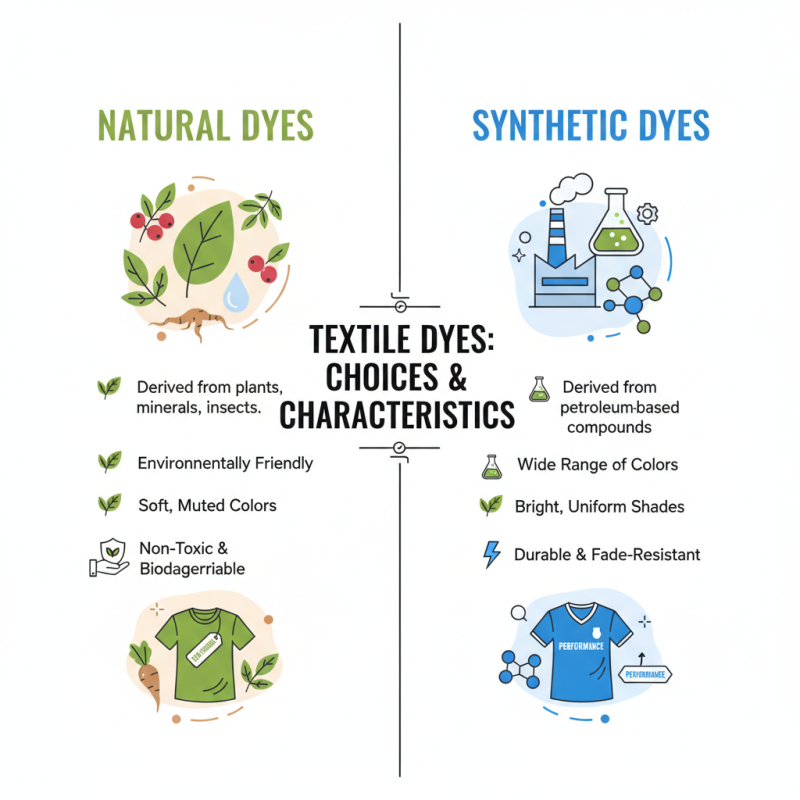
Natural dyes and synthetic dyes each offer unique advantages for textile applications, making them suitable for different needs and preferences. Natural dyes, derived from plants, minerals, and insects, are often praised for their environmentally friendly attributes. They tend to produce softer, more muted colors that appeal to those seeking a sustainable option. Additionally, natural dyes can provide health benefits, as they are usually non-toxic and biodegradable, making them safer for both the environment and consumers.
On the other hand, synthetic dyes dominate the modern textile industry due to their vibrant colors, consistency, and cost-effectiveness. These dyes are engineered to achieve a wide range of hues and can offer superior colorfastness and resistance to fading, which are crucial for mass production. While concerns regarding environmental impact and the use of chemicals in synthetic dyeing processes persist, advancements in technology are leading to the development of more eco-friendly synthetic options. Ultimately, the choice between natural and synthetic dyes hinges on factors such as desired aesthetic, environmental considerations, and practical applications.
Benefits of Using Eco-Friendly Dyes in Textile Production
The shift towards eco-friendly dyes in textile production is a significant development in the industry, emphasizing sustainability without compromising quality. Eco-friendly dyes, derived from natural sources such as plants and minerals, offer numerous benefits including lower toxicity levels and reduced environmental impact. Unlike their synthetic counterparts, these dyes generally do not release harmful chemicals during production, which contributes to cleaner water systems and safer working conditions for factory workers.
In addition to environmental advantages, eco-friendly dyes also enhance the aesthetic appeal of textiles. Many of these natural dyes provide unique, vibrant colors that differ from what synthetic dyes can offer. Additionally, as consumers become increasingly aware of their purchasing choices, textiles dyed with eco-friendly methods resonate more with environmentally conscious shoppers, potentially increasing market demand. The growing trend towards eco-friendly dyes not only promotes a healthier planet but also encourages innovation and creativity within the textile industry, leading to a more sustainable future.
Color Fastness and Its Importance in Dye Selection
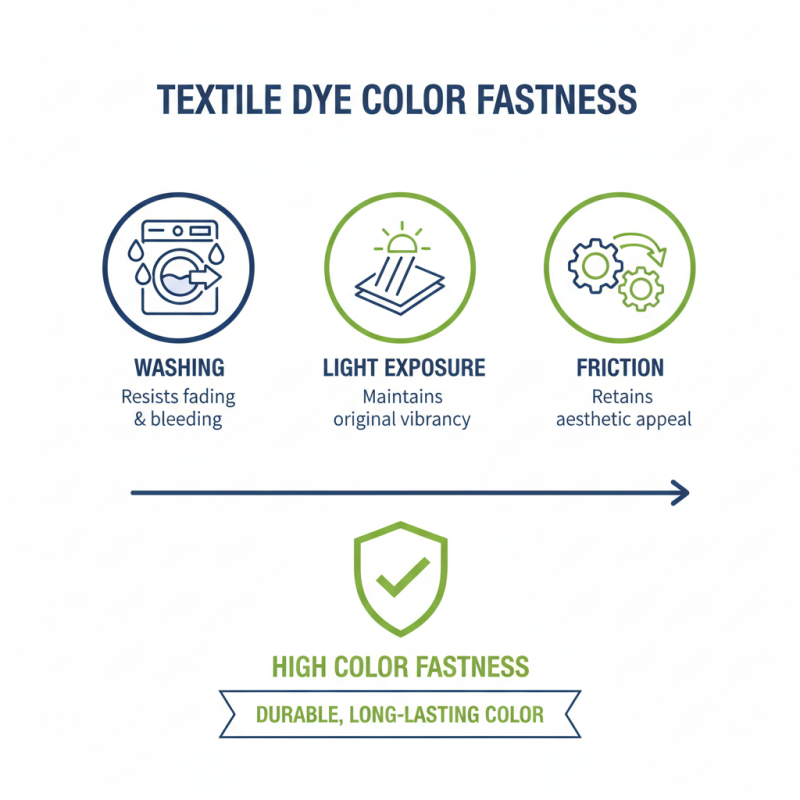
Color fastness is a critical factor in dye selection for textile applications, as it determines how well a dye maintains its color under various conditions. This property is particularly important for textiles that are subjected to washing, exposure to light, and friction. High color fastness means that the dyed fabric will resist fading and bleeding, ensuring that it retains its original vibrancy and aesthetic appeal throughout its lifecycle.
When choosing dyes for fabrics, manufacturers must consider the intended use of the textile. For instance, garments that will be frequently laundered or exposed to sunlight require dyes with excellent wash and light fastness. Additionally, the chemical composition of the dye can influence the level of color fastness. Natural dyes often provide unique aesthetic qualities but may fall short in terms of durability compared to synthetic dyes. Therefore, a thorough understanding of color fastness not only aids in choosing the right dye but also enhances the overall quality and performance of the finished textile product.
Innovations in Dyeing Technology: Trends and Future Prospects
Innovations in dyeing technology are witnessing a significant transformation, driven by the rise of environmentally friendly practices and advanced methodologies.
Notably, the introduction of low-pressure water-free dyeing technology marks a revolutionary step in textile processing. This cutting-edge technique not only reduces water consumption dramatically but also minimizes the overall environmental footprint of the dyeing process, appealing to manufacturers and consumers alike who prioritize sustainability.
Additionally, the automated slide dyeing system market is on the rise, projected to reach USD 358.01 million by 2024 and grow to USD 501.5 million by 2032, reflecting a 4.3% annual growth rate. This trend denotes a growing demand for efficient, high-quality dyeing solutions that cater to diverse textile applications.
The industry is learning how to leverage technologies like augmented reality for virtual try-ons and AI for skin diagnosis, indicating a shift towards smarter and more interactive systems that enhance consumer experiences in the fashion realm. Such innovations not only streamline production processes but also facilitate a more responsive approach to changing market demands.