
Blog
- Home
- /
- Blog
Best Functional Yarn for Innovative Textile Solutions?
In the world of textiles, the term "Functional Yarn" stands out for its innovative potential. This specialized yarn enhances not only the fabric's performance but also its user experience. From moisture-wicking to anti-microbial properties, Functional Yarn offers a unique blend of practicality and comfort. Brands are increasingly recognizing its value as they seek to elevate product functionality.
However, the journey of integrating Functional Yarn into textile solutions is not without challenges. Manufacturers grapple with sourcing high-quality materials that also meet ethical standards. Additionally, the intricacies of processing these innovative fibers can pose significant hurdles. Companies must adapt and evolve in response to these complexities.
Investing in Functional Yarn means committing to research and development. The landscape is ever-changing, and staying ahead requires constant innovation. As we explore the best Functional Yarn options, it's essential to reflect on both the achievements and the limitations. What works well today might not suffice tomorrow. This dynamic environment demands that we remain vigilant and flexible in our approaches.
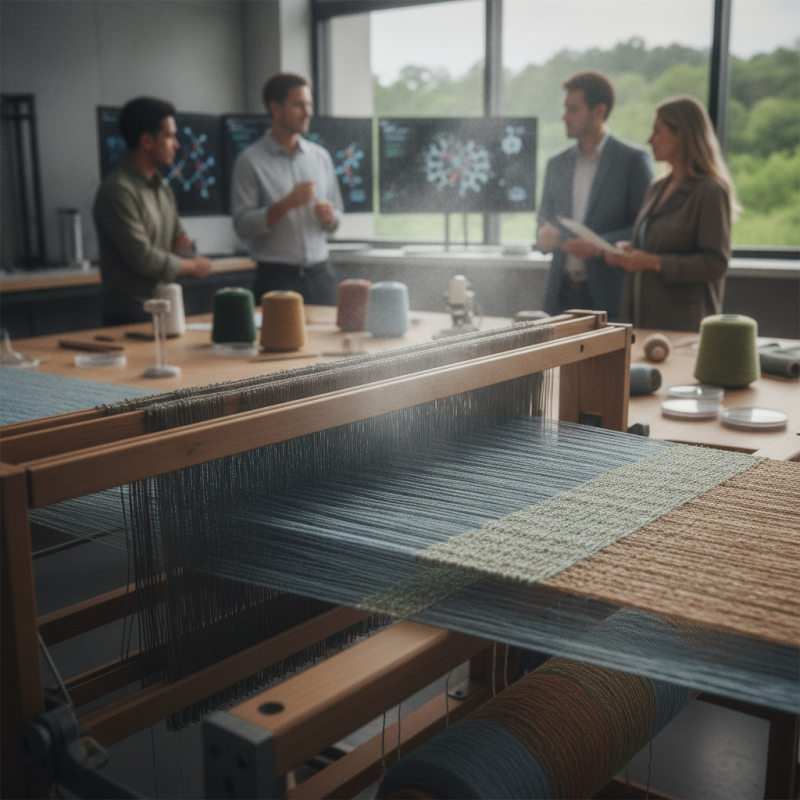
Identification of Functional Yarn Types for Textile Innovations
Innovative textile solutions rely heavily on functional yarn types. These yarns possess unique properties that enhance performance and user experience. Understanding these types can open new avenues for fabric design. Functional yarns can provide moisture management, thermal regulation, and enhanced durability. Each type serves a specific purpose and meets distinct user needs.
Tips: When selecting functional yarn, consider the end use. Different applications require unique characteristics. For athletic wear, prioritize moisture-wicking properties. In contrast, outerwear may need increased insulation. Also, test the yarn’s performance under different conditions.
Exploring the landscape of functional yarns reveals an endless array of possibilities. Some may struggle with comfort versus functionality. Balancing these aspects is crucial for user satisfaction. Remember, the right yarn can elevate a product, but it requires thorough testing and adjustment. Innovation requires a willingness to learn from iterative processes. Understanding the characteristics of various yarn types is central to achieving textile innovation.
Key Properties of Functional Yarns in Textile Applications
The evolution of functional yarns has revolutionized textile applications across various industries. These specialized yarns possess key properties such as moisture-wicking, thermal regulation, and UV protection. According to a recent report from MarketsandMarkets, the global functional textile market is projected to reach USD 162.4 billion by 2026, driven by increasing demand for performance-enhancing materials.
Functional yarns are engineered to meet specific needs. For instance, moisture-wicking fibers draw sweat away from the body, enhancing comfort during physical activities. Thermal-regulating yarns can adapt to temperature changes, promoting thermoregulation in diverse climates. Similarly, UV-protective yarns offer an essential barrier against harmful rays. Such innovations are particularly valued in activewear, outdoor gear, and healthcare textiles.
Tips: When selecting functional yarns, consider the intended application. Different applications may require distinct properties. Testing for durability is also crucial; some yarns may not withstand heavy usage. Reflect on the performance of your chosen material and how it aligns with user needs. Keeping abreast of industry trends can also inform better choices in design and functionality.
Examples of Innovative Textiles Utilizing Functional Yarns
Functional yarns are revolutionizing the textile industry. They enhance fabrics with properties like moisture-wicking, UV protection, and thermal regulation. Recent studies indicate that the demand for such innovative textiles is increasing, with a projected market growth of over 30% by 2025.
Examples abound. Sportswear brands increasingly use functional yarns to improve performance. These textiles can now adapt to various climates, providing comfort in extreme conditions. Athletes benefit from moisture control, allowing for longer and more efficient workouts. In healthcare, antimicrobial yarns are used to create textiles that can prevent the growth of bacteria. This innovation enhances hygiene in medical settings.
Tip: When choosing functional yarns, consider the end-use of the textile. Understand the performance requirements and the environment it will be used in. This helps in selecting the right yarn for specific applications.
Innovative textiles made with functional yarns also find applications in home furnishings. For instance, stain-resistant and durable fabrics are widely used in furniture. This can lead to longer-lasting products but may also require more resources for production.
Functional yarn technology continues to evolve. It’s important to stay updated on new developments to ensure the best results. Collaboration with material specialists can also enhance design quality and functionality in textiles.
Innovative Textiles Utilizing Functional Yarns
Sustainability Considerations in Selecting Functional Yarns
When selecting functional yarns, sustainability plays a critical role. Many manufacturers are now prioritizing eco-friendly materials. A report from Textile Exchange indicated that around 35% of global fiber production was made from recycled or bio-based materials in 2021. This trend reflects a growing awareness of environmental impact.
Choosing sustainable yarns often means considering their lifecycle. For instance, organic cotton uses up to 91% less water than conventional cotton. This statistic highlights the significant benefits of sustainable fibers. However, not all "sustainable" labels guarantee eco-friendliness. Transparency in sourcing and production methods remains a concern.
Moreover, some emerging materials, like Tencel, are known for their low environmental footprint. Yet, inconsistencies in production present challenges. Not all manufacturers adhere to the same sustainability standards. As the market evolves, it’s crucial to scrutinize certifications. Misleading claims can obscure the true environmental impact. Investing in reliable information is essential for making informed choices about functional yarns.
Future Trends in Functional Yarn Development for Textiles
The textile industry is witnessing rapid advancements in functional yarn development. Functional yarns are engineered to provide specific benefits like moisture-wicking, temperature regulation, and UV protection. According to a report by Grand View Research, the global functional fabrics market is expected to reach $38.2 billion by 2026. This growth reflects rising consumer demand for innovative textile solutions.
One emerging trend is the incorporation of smart technologies into functional yarns. Fabrics that can monitor body temperature or improve athletic performance are gaining traction. A study published in the Journal of Textile Science suggests that smart textiles could revolutionize sports and healthcare sectors. However, challenges remain in scalability and production costs. Not all manufacturers can keep pace with these innovation demands.
Sustainability is another central theme for future developments. Consumers increasingly prefer eco-friendly materials. Reports indicate that over 60% of millennials are willing to pay more for sustainable products. This shift forces manufacturers to adapt, focusing on recyclable fibers and eco-conscious production methods. Yet, the transition is complex and requires significant investment. Many companies struggle to balance innovation with sustainability, creating potential setbacks.
Best Functional Yarn for Innovative Textile Solutions
| Yarn Type | Functionality | Applications | Sustainability | Future Trends |
|---|---|---|---|---|
| Moisture-Wicking Yarn | Quick drying and enhanced breathability | Athletic wear, activewear | Recycled materials, low impact dyeing | Smart moisture management, enhanced durability |
| UV Resistant Yarn | Blocks harmful UV rays | Outdoor apparel, swimwear | Bio-based fibers, eco-friendly treatments | Enhanced UV protection with nanotechnology |
| Antimicrobial Yarn | Reduces bacteria and odor | Medical textiles, sportswear | Natural antimicrobial agents, sustainable sourcing | Long-lasting performance with minimal chemicals |
| Heating Yarn | Provides warmth through electric or phase change materials | Smart textiles, winter clothing | Recyclable components, energy-efficient technologies | Integration with wearable technology for personalized heating |