Blog
- Home
- /
- Blog
Best Textile Photos for Global Buyers to Inspire Your Choices?
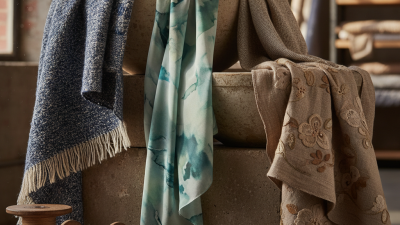
In the ever-evolving textile industry, inspiring choices often begin with the impact of compelling textile photos. Renowned textile expert Dr. Emily Huang emphasizes that “the right image can tell a story that transcends borders.” Her insight highlights the power of visual representation in connecting global buyers with unique fabric options.
Textile photos showcase not only colors and textures but also cultural narratives. A well-captured image can evoke emotions and inspire creativity. Buyers often rely on these visuals to make informed decisions about their selections. Yet, not all textile photos achieve this. Some lack detail or fail to convey the desired aesthetics.
As you navigate through various textile photos, consider the subtleties that make an image resonate. Reflect on how a photograph can influence your perception of a fabric's quality. A striking image might draw attention, yet it's crucial to analyze how it fits within your project needs. The journey of exploring textile photos is as much about inspiration as it is about critical evaluation.
Best Practices for Capturing Textile Photos That Attract Global Buyers
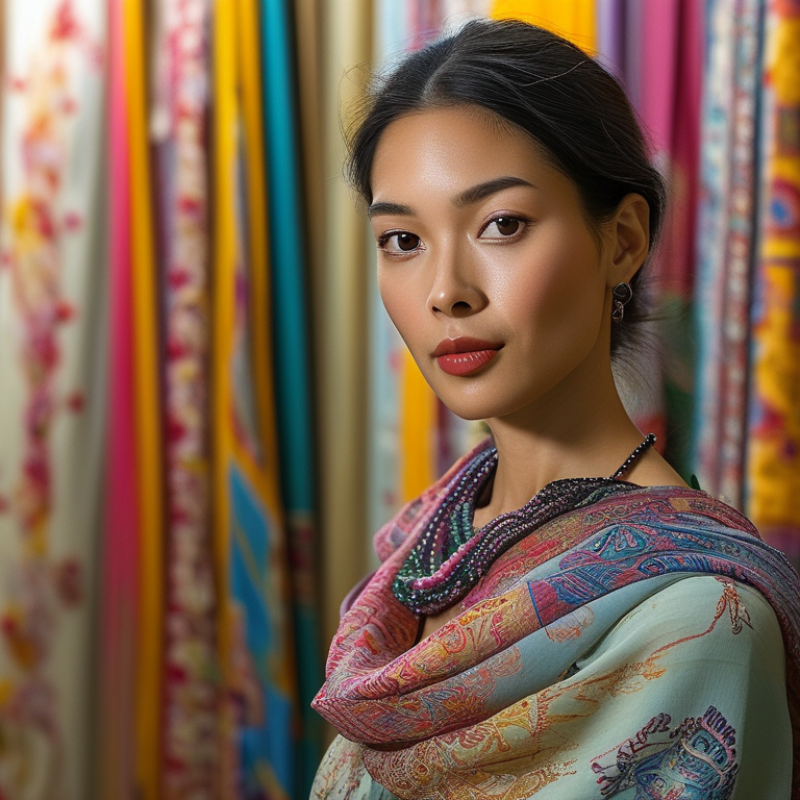
Capturing textile photos that draw in global buyers requires a keen eye and thoughtful approach. Lighting plays a crucial role. Natural light brings out the textures and colors of fabrics. Avoid harsh shadows that can distort the patterns. Experiment with different times of day to find the best illumination. Sometimes, indoor lighting can create unwanted tones. A simple softbox can help achieve a more flattering effect.
Background selection is another vital element. A clean and neutral background allows the textiles to shine. Bold patterns can clash and distract from the product. Textile details matter too. Close-up shots offer insight into fabric quality. Highlight stitching, weaves, and prints. This attention to detail builds trust with potential buyers.
Reflection is important in this creative process. Review past photos, identifying what worked and what didn’t. Sometimes, less is more. Over-editing can lead to unrealistic representations. Balancing authenticity with visual appeal can be tricky. Embrace imperfections; they often tell a story.
Key Trends in Textile Photography: Colors, Patterns, and Textures
Textile photography plays a crucial role in the global market. Colors, patterns, and textures come together to create visually striking images. Buyers are often drawn to bold hues and intricate designs. These elements can evoke emotions and inspire choices.
Consider how different colors interact. A deep blue may convey calm, while a vibrant red ignites passion. Patterns, too, have their own stories. Floral designs can suggest freshness, while geometric shapes offer a sense of order. Textures add another layer, inviting touch and creating depth in a photograph.
However, capturing the essence of textiles is not always easy. It can be challenging to portray the true feel of a fabric through a lens. Lighting plays a significant role; too harsh or too soft can distort the material's appearance. Reflecting on these challenges allows photographers to improve their craft. Overcoming obstacles can lead to unique and inspiring textile imagery.
Impact of High-Quality Imagery on Textile Sales: Industry Data Insights
High-quality imagery plays a crucial role in the textile industry. Research indicates that products with excellent photos can see a sales increase of up to 30%. Buyers are drawn to vivid, detailed images that showcase fabric texture, patterns, and colors. This makes an impact on their purchasing decisions.
According to a recent survey, over 70% of textile buyers prioritize high-quality visuals when evaluating products. They often stated that poor imagery led to distrust in product quality. In a competitive marketplace, investing in professional photography can yield significant returns. Textiles are tactile; buyers need to see them in a way that sparks their imagination and instills confidence.
On the flip side, many sellers struggle with sourcing and presenting professional images. A report from the Textile Marketing Association revealed that nearly 50% of smaller companies lack the resources for high-quality photography. This gap in visual presentation can hamper their ability to compete with larger brands. Adapting to this demand requires reflection on existing marketing strategies. Emphasizing quality imagery may just be the key to unlocking greater sales potential.
Essential Equipment and Techniques for Textile Photography Success
Textile photography can greatly influence buyer choices. To capture vivid images that convey texture and color, the right equipment is essential. A DSLR camera or a mirrorless model is ideal. They provide high resolution and adaptability with various lenses. A macro lens can capture the intricate details of fabric, showcasing its weave and pattern effectively.
Lighting is crucial. Natural daylight can enhance colors, but it may not be accessible at all times. A lightbox or studio lighting can be a solid alternative. Maintaining a consistent color temperature helps achieve accurate representations. Additionally, using a tripod can eliminate motion blur, ensuring sharp images.
Tips: Experiment with different angles. Sometimes, an unexpected view can highlight unique features. Don't hesitate to post-process images for better contrast and saturation. However, avoid overdoing it; authenticity matters in textile representation. Remember, imperfect images can provoke curiosity. They can lead to discussions about fabric, style, and personal taste, engaging potential buyers in a meaningful way.
Textile Photography Techniques and Equipment Usage
Case Studies of Successful Textile Brands Utilizing Inspiring Imagery
In the ever-evolving textile industry, imagery holds tremendous power. Successful brands have harnessed this potential by crafting visual narratives that resonate with global buyers. A unique case is a brand that used color palettes reflecting cultural heritage. Their campaigns sparked discussions about tradition, creating a strong emotional connection with consumers.
Another case highlights a brand that embraced sustainability. They showcased their eco-friendly materials through vivid photographs. These images conveyed authenticity and transparency. Buyers appreciated the story behind each fabric. Yet, some consumers still question the brand's commitment to sustainability. This challenge prompts a deeper reflection on brand integrity.
The role of inspiring imagery can't be underestimated. Effective visuals not only attract attention but also build trust. However, the reliance on aesthetics can sometimes overshadow critical issues. Brands must strive for a balance between visual appeal and substantive narratives. Engaging storytelling is a journey, not just a destination.
Related Posts
-
How to Take Stunning Textile Photos for Your Portfolio?
-

2026 Top Dyeing Textile Process Techniques You Should Know?
-
What is Textile Colouring and How Does it Impact Fabric Quality and Design
-

Top Tips for Optimizing Your Textile Website for Better Search Rankings
-

2025 How to Choose the Right Types of Textile Dyes for Your Projects
-

What is a Comprehensive List of Textile Chemicals?