Blog
- Home
- /
- Blog
Why Choose Textile Mills for Your Global Sourcing Needs?
In the competitive landscape of global sourcing, textile mills stand out as key players. Their role in manufacturing and supplying high-quality fabrics is crucial for businesses looking to thrive. Partnering with reliable textile mills can ensure access to innovative designs and sustainable practices.
Textile mills offer a variety of materials and textures, catering to diverse market demands. This flexibility allows companies to customize their products effectively. Moreover, many textile mills emphasize environmental responsibility, making them appealing to eco-conscious brands.
Yet, challenges exist. Sourcing from textile mills requires careful evaluation of quality and ethical practices. Companies must invest time to find mills that align with their values. Understanding the nuances of textile production is essential for making informed decisions. In the end, choosing the right textile mills can set brands apart in a crowded marketplace.

Factors Influencing the Selection of Textile Mills for Global Sourcing
When selecting textile mills for global sourcing, several factors come into play. Understanding these can enhance choices and outcomes. Quality is paramount. Mills must meet specific standards that align with market demands. Look for certifications, which often indicate reliability and competence. Additionally, the ability to produce varied textiles can influence selection. Flexibility in manufacturing processes is essential.
Price is another crucial factor. While a low cost may seem appealing, it may hide quality issues. Transparent pricing structures are vital. Always inquire about hidden costs that could inflate the final price. Negotiating with textile mills can yield better deals but requires thorough research beforehand.
**Tips:**
- Prioritize mills with a solid reputation in sustainability practices. This reflects their commitment to ethical sourcing.
- Visit potential mills, if possible, to evaluate working conditions and production capabilities.
- Understand regional differences in textile production, as they can affect both cost and quality of materials.
Remember, a mill's location can impact lead times and shipping costs. Ensure clear communication about your expectations. It helps reduce any misunderstandings that may arise. Careful evaluation of potential partners can lead to fruitful sourcing relationships.
Global Sourcing Factors for Textile Mills
The Advantages of Sourcing from Textile Mills Compared to Other Suppliers
Sourcing from textile mills offers unique advantages over other suppliers. One key benefit is direct access to manufacturing processes. When you work directly with textile mills, you can witness production firsthand. This transparency builds trust and allows for better quality control.
Textile mills also often provide customizable solutions. Unlike larger suppliers, they can adapt quickly to specific project requirements. This flexibility enables brands to respond to market demand with agility. Additionally, mills typically foster strong relationships with local artisans, ensuring authenticity in each fabric produced. This connection enhances the overall quality and appeal of the textiles.
Pricing is another essential factor. Textile mills can often deliver competitive rates due to lower overhead costs. However, pricing variability can occur based on order amounts and materials chosen. It's essential to analyze these factors carefully. Global sourcing does carry risks, but understanding the textile industry landscape mitigates some concerns. Engaging with textile mills combines reliability and creativity.
Key Considerations When Evaluating Textile Mills for Your Supply Chain
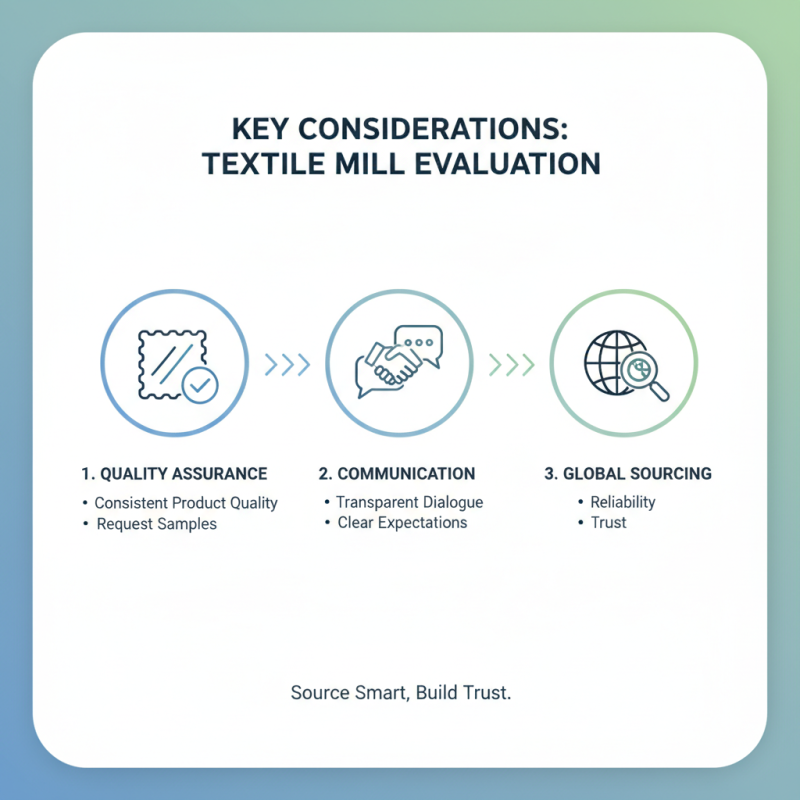
When evaluating textile mills for your global sourcing needs, several key factors come into play. Quality assurance is paramount. A reliable mill should demonstrate consistent product quality. Request samples before making any commitments. This ensures that the materials meet your standards. Communication is another vital aspect. A transparent dialogue with suppliers fosters trust and clarity in expectations.
Sustainability practices are increasingly important. Investigate if the mills use eco-friendly processes. Are they minimizing waste? Understanding their approach to sustainability can significantly impact your brand's image. Additionally, consider their ability to scale. Can they handle increased demand? If your business grows, will they be able to keep up?
Pricing often fluctuates, and will not always reflect value. Compare quotes, but also assess the inherent quality. Cheap options may lead to higher costs down the line due to returns or replacements. Keep an eye on lead times. A good lead time can improve your supply chain's efficiency. Yet, unexpected delays can occur; be prepared for them. Striking a balance between cost, quality, and reliability will ensure your sourcing decisions yield positive outcomes.
Sustainability Practices in Textile Mills and Their Global Impact
Textile mills play a crucial role in global sourcing, especially when it comes to sustainability. Many mills have adopted eco-friendly practices, reducing waste and energy consumption. For instance, some mills use recycled materials and renewable energy sources, which significantly lower their carbon footprint. This shift is not just a trend; it reflects a commitment to more sustainable production processes.
However, challenges remain. Not all mills implement these practices uniformly. Some areas still rely heavily on traditional methods that may not prioritize environmental health. Transparency is key. Consumers and businesses must demand clearer information about sourcing and manufacturing processes. This way, they can support mills that genuinely invest in sustainability.
The impact of these practices transcends borders. Sustainable textile production can improve local economies and support communities. Employing eco-friendly methods often leads to better working conditions and health for workers. Yet, the journey towards complete sustainability is ongoing, and there is still much work to be done. Awareness and continuous dialogue are essential in this evolving landscape.
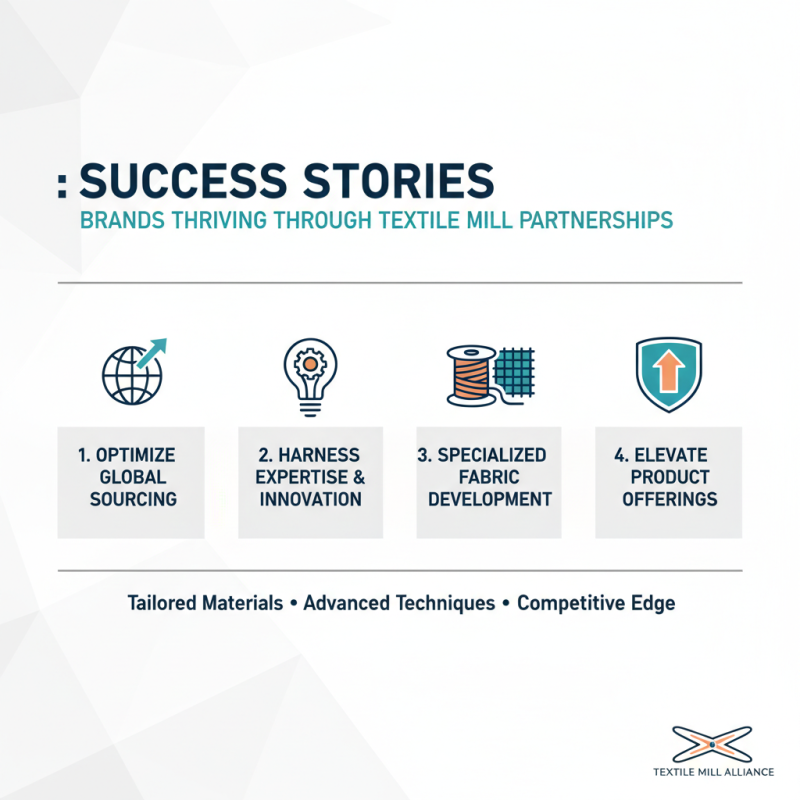
Success Stories: Brands Thriving Through Textile Mill Partnerships
Textile mills provide a unique advantage for brands looking to optimize global sourcing. Many successful brands have harnessed the expertise of textile mills to elevate their product offerings. They benefit from specialized knowledge in fabric development and production techniques. This collaboration allows brands to access innovative materials tailored to their specific needs.
One notable success story involves a brand that transitioned its sourcing strategy. Initially relying on generic suppliers, it struggled with quality and consistency. Partnering with a textile mill enabled the brand to create exclusive fabric blends. This partnership also led to reduced lead times and efficient production processes. However, maintaining communication and aligning goals proved challenging at times.
Reflecting on these partnerships shows that building trust takes time. Brands must invest in understanding the mill's capabilities. Regular visits and open dialogue can minimize misunderstandings. These lessons emphasize that while challenges exist, the potential rewards of collaboration are significant. It is crucial for brands to remain adaptable and proactive in adjusting their sourcing strategies as they grow.
Related Posts
-
How to Find the Best Textile Distributors for Your Business Needs
-
2025 Guide: How to Choose the Best Textile Fabrics for Your Projects
-
2026 Best Textile Fabrics for Fashion and Home Décor Choices?
-

2025 How to Choose the Right Types of Textile Dyes for Your Projects
-
What is Textile Dyeing Chemicals and How to Choose Them?
-

10 Essential Tips for Effective Textile Finishing Techniques?