Colourinn Industries – Textile & Dyes Auxiliaries Manufacturer & Exporter

Blog

  1. Home
  2. /
  3. Blog

How to Choose the Right Textile Dyestuff for Your Fabric Projects?

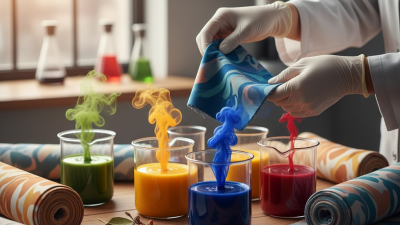
Choosing the right textile dyestuff is crucial for your fabric projects. Whether you’re a hobbyist or a professional, the right choice impacts color vibrancy, durability, and overall appearance. With so many options available, it can be overwhelming.

Different fabrics react uniquely to various dyestuffs. For example, cotton and silk require distinct dyes for the best results. Experiments are often needed to find the perfect match. Sometimes, the results are unexpected, leading to colors that are either too bright or faded. It’s essential to test your dyestuff on scraps before committing to the entire project.

Understanding the materials you’re dyeing is vital. Some textile dyestuffs are easier to work with than others. Each type has its own set of challenges. You may end up with stains or uneven color patches. Reflecting on previous projects can guide your future decisions. Therefore, being mindful of your textile dyestuff choices can elevate your creative endeavors.
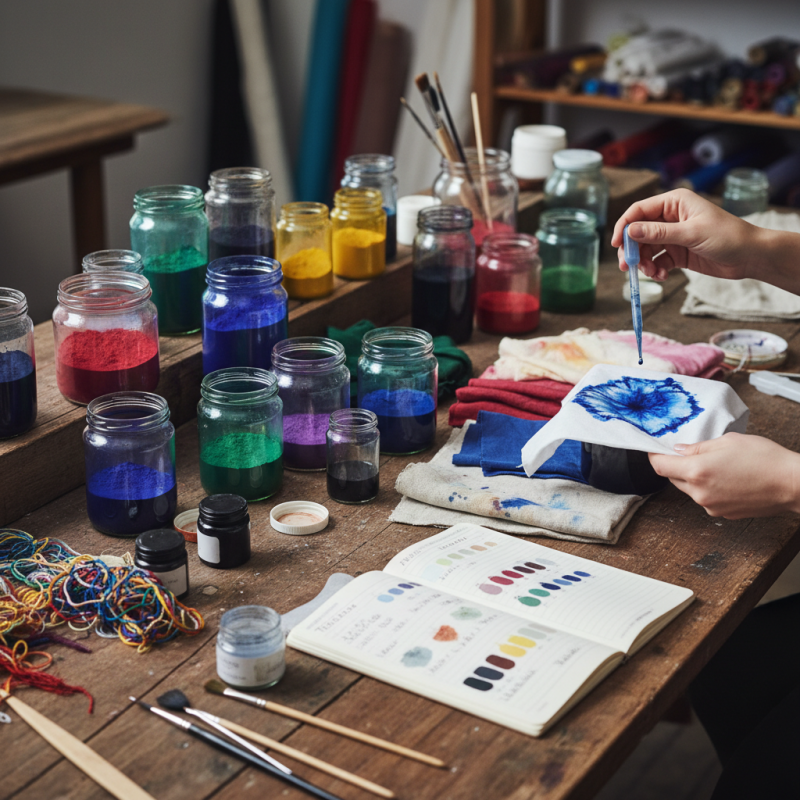
How to Choose the Right Textile Dyestuff for Your Fabric Projects?

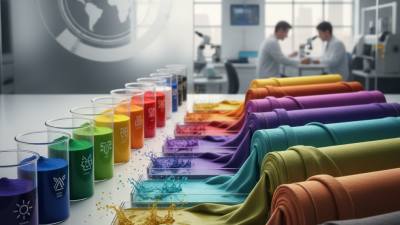
Understanding the Different Types of Textile Dyestuffs Available in the Market

Choosing the right textile dyestuff can be daunting. With various types available, it's easy to feel overwhelmed. Each dye carries its unique properties. Understanding these can help you make informed choices for your fabric projects.

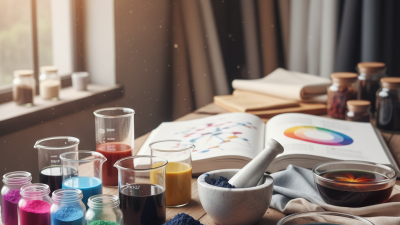
Natural dyes are derived from plants and minerals. They create soft, muted colors. They can be less predictable. Depending on the source, the shade may vary.

Synthetic dyes offer vibrant and consistent colors. They are often more common in industrial applications. But, they can be harsh on fabrics.

Tips: Always test a small fabric swatch first. This ensures you like the color and see how it reacts. Keep in mind the fabric type. Not every dye works on all materials.

Some fabrics require specific dyes to achieve the desired result. Experimenting is part of the process. Sometimes, a project may not turn out as expected. Embrace these moments for learning. They help refine your skills.
The Importance of Fabric Material Compatibility in Dyestuff Selection

How to Choose the Right Textile Dyestuff for Your Fabric Projects?

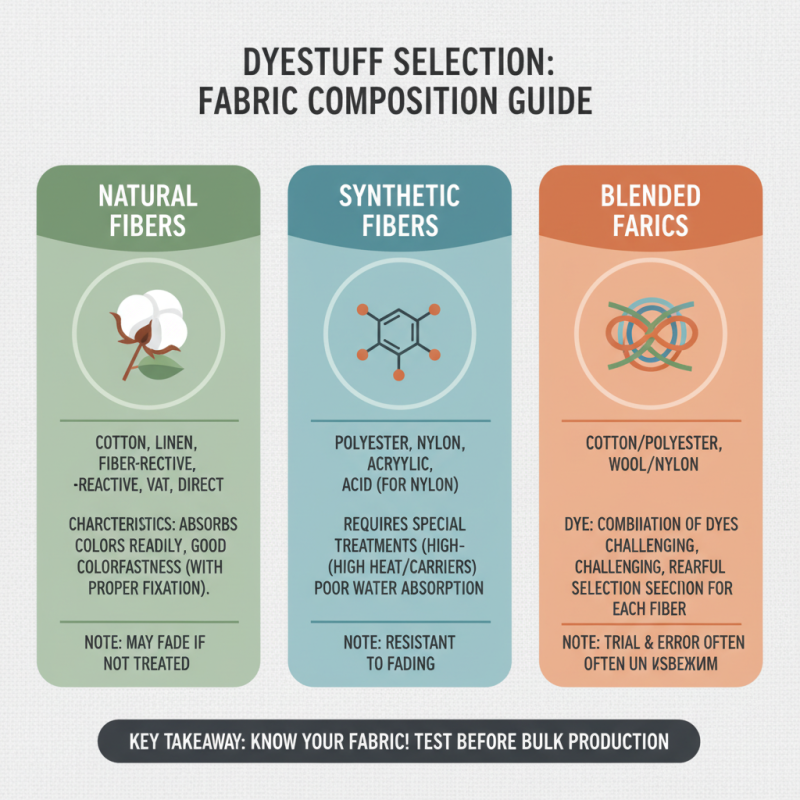
Choosing the right dyestuff requires a deep understanding of your fabric’s composition. Each fabric reacts differently to dyes. Cotton, for instance, absorbs colors well, while synthetic fabrics often need special treatments. The fiber content can affect the final result. Often, trial and error is unavoidable. Some colors may appear vibrant, only to fade after washing.

Compatibility plays a major role in achieving desired results. For example, using a dye designed for natural fibers on polyester may lead to disappointing results. You might end up with patchy colors or uneven tones. Testing is crucial, yet many skip this step. A small swatch can save you from larger mistakes.

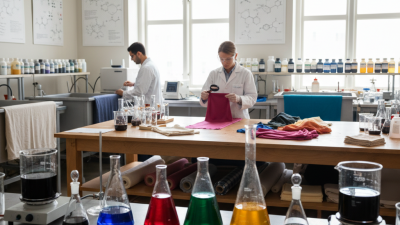
Don’t overlook the dyeing process itself. Temperature, pH, and timing all influence outcomes. Some dyes require specific conditions to adhere properly. Neglecting these details can ruin projects. It’s essential to be patient and willing to adjust techniques. Sometimes, it’s the imperfections that create unique beauty in your fabric project.

Analyzing Color Fastness Ratings and Their Impact on Your Project

Choosing the right textile dyestuff can significantly impact your fabric projects. One key factor to consider is the color fastness ratings. These ratings indicate how well a dye withstands exposure to light, washing, and other conditions. Higher ratings suggest better durability, making your projects look fresh longer. For instance, a fabric dyed with high color fastness may retain its vibrant hue even after multiple washes.

Tips: Always check the dye's label for color fastness information. Look for grades from A to F, with A being the best. This simple step can save you trouble later. Remember, different fabrics react differently to dyes. A brilliant color on one material may fade on another. It's crucial to test your chosen dye on a small swatch first.

Take your time in selecting the right dye. Sometimes, you may rush into a choice that seems exciting. However, it’s worth reflecting on how that dye performs over time. Color fading can be frustrating, especially in favorite garments or home textiles. So, ensure you invest in dyes that not only appeal at first glance but also deliver lasting results.

Color Fastness Ratings for Textile Dyestuffs

Evaluating Environmental Impact: Choosing Eco-Friendly Dyestuffs

When selecting dyestuffs for fabric projects, considering environmental impact is crucial. The textile industry is known for its significant pollution. A report from the World Bank states that textile dyeing is responsible for about 20% of global industrial water pollution. This statistic poses a challenge for eco-conscious designers and consumers alike.

Eco-friendly dyestuffs are gaining popularity, with natural dyes emerging as viable alternatives. Studies show that plant-based dyes can significantly reduce water contamination. They often require less water during processing. However, sourcing these natural materials can be challenging. Examples of common eco-friendly options include indigo and madder. Each presents unique qualities but may not be as colorfast as synthetic alternatives.

Furthermore, synthetic dyes can offer vibrant colors and durability but come with environmental costs. Research indicates that many synthetic dyes contain harmful chemicals. These can pose risks to aquatic life. Textile manufacturers need to balance quality and sustainability. Finding the right dyestuff is not just a matter of aesthetics; it requires careful thought and responsibility toward the planet.

Cost Considerations: Budgeting for Quality Dyestuffs in Fabric Projects

When budgeting for textile dyestuffs, every cent counts. Quality dyestuffs can significantly impact the final product. Low-cost options might seem appealing. However, they often lead to disappointing results. Colors may fade quickly, or fabrics might feel rough. It's essential to balance cost with quality to avoid future issues.

Consider the type of fabric you are working with. Natural fibers often require different dyestuffs compared to synthetic materials. Understanding this can prevent overspending on inappropriate options. Researching the longevity and vibrancy of dyestuffs can save money in the long run. Sometimes, a more expensive dye yields better results and reduces the need for re-dying due to fading.

Experimenting with various dyestuffs can be enlightening. Some options may surprise you with their quality. Look for bulk purchasing options for savings. Don't rush into buying the cheapest products without checking reviews or recommendations. A thoughtful approach can prevent regrets when the result doesn't match expectations. Keep your project's needs and your budget aligned for a successful outcome.