Blog
- Home
- /
- Blog
Essential Textile Dyeing Chemicals You Need to Know?
In the complex world of textile production, one must not overlook the significance of various textile dyeing chemicals. The textile dyeing chemicals list includes a wide array of substances crucial for achieving vibrant colors and desired properties in fabrics. According to a recent market research report, the global textile dyeing chemicals market is projected to reach USD 8 billion by 2025, reflecting the growing demand in the fashion and apparel sectors.
However, not all chemicals used in dyeing processes are environmentally safe. Innovations in dyeing technologies are necessary, as traditional methods can harm aquatic ecosystems and human health. For instance, the use of azo dyes, once popular, has faced scrutiny due to potential carcinogenic effects. This situation raises an important question about sustainability in textile dyeing practices.
The balance between vibrant colors and environmental responsibility is delicate. Brands face pressure to adapt, yet many still rely on outdated methods. This creates a disconnect between consumer expectations and ecological impacts. As the industry evolves, a comprehensive understanding of textile dyeing chemicals becomes essential for both manufacturers and consumers alike.

Essential Overview of Textile Dyeing Chemicals
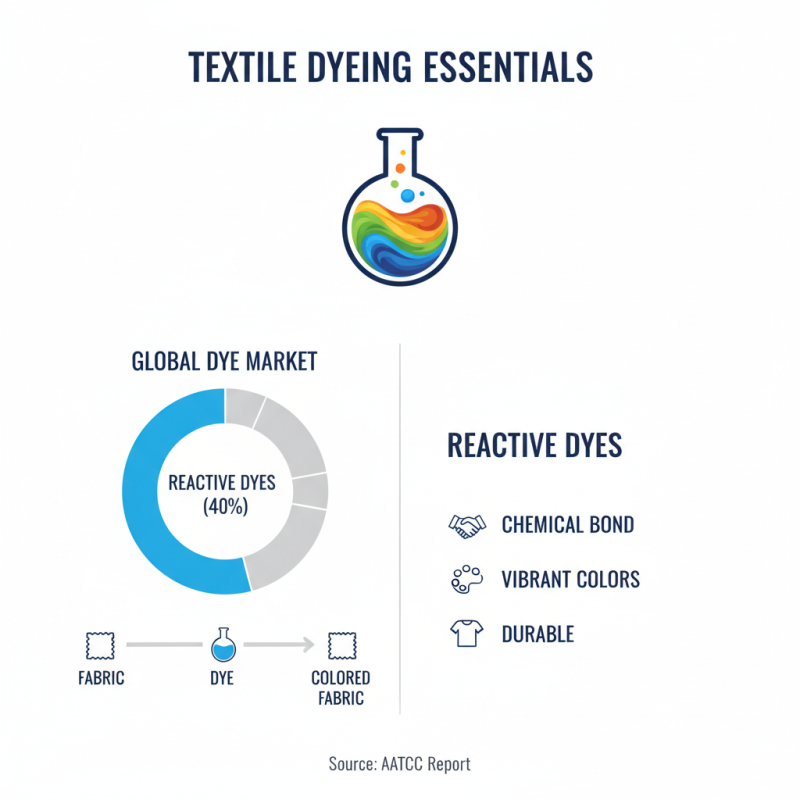
Textile dyeing is a complex process involving various chemicals. Understanding these chemicals is essential for achieving the desired color and quality. You may encounter acid dyes, reactive dyes, and direct dyes. Each type has its unique properties and applications. For instance, reactive dyes form a chemical bond with the fabric. This results in vibrant and long-lasting colors.
While exploring dyeing chemicals, one must consider their environmental impact. Some dyes may not be eco-friendly. They can release harmful substances during the dyeing process. This raises questions about sustainability in the textile industry. Manufacturers should strive for greener alternatives. However, transitioning to these options often proves difficult. It requires careful planning and investment.
There is also the challenge of color consistency. Achieving uniform dyeing can be tricky. Factors like temperature and pH levels affect outcomes significantly. Many underestimate these variables, leading to unexpected results. Continuous learning and experimentation are vital in this field. Awareness of the challenges can inspire a more thoughtful approach to textile dyeing.
Common Types of Dyes Used in Textile Dyeing Processes
Dyes are essential in textile dyeing processes. Each type has its unique properties and applications. A report from the American Association of Textile Chemists and Colorists reveals that reactive dyes comprise about 40% of the dye market. These dyes chemically bond with fabrics, offering vibrant colors.
Direct dyes are another common type. They account for around 25% of the dyeing market. These dyes are easy to use and suitable for cellulosic fibers. However, they often lack wash fastness compared to reactive dyes. This can lead to fading over time and create issues for manufacturers and consumers alike.
Acid dyes are crucial for protein fibers like wool and silk. They represent about 15% of the dye market. Acid dyes produce bright shades but may require careful handling. Some may pose environmental concerns during production. Reports indicate that an increasing number of companies are exploring more sustainable dye options. The industry is gradually recognizing the need for better solutions.
Key Auxiliaries in Textile Dyeing and Their Functions
Textile dyeing involves various auxiliary chemicals that enhance the dyeing process. These chemicals serve critical roles and influence the final appearance of fabrics. One essential category is carriers. Carriers help achieve deep shades in dyeing, especially in synthetic fibers. However, choosing the right carrier can be tricky. Some may affect the fabric's feel or color fastness.
Another important class is leveling agents. These help ensure that dye is absorbed uniformly. Uneven dyeing can lead to unsightly splotches. Yet, using too much leveling agent can hinder the dye's vibrancy. Balancing these additives is crucial, requiring careful testing.
Fixatives also play a significant role in textile dyeing. They bond the dye to the fabric and improve color retention. Nevertheless, not all fixatives are compatible with every dye. Improper use can lead to fading over time. This inconsistency reveals the complexity of dyeing chemistry. Understanding these auxiliaries is a vital but often overlooked aspect of successful textile dyeing.
Essential Textile Dyeing Chemicals You Need to Know
| Chemical | Type | Function |
|---|---|---|
| Reactive Dyes | Dye | Form strong covalent bonds with fiber, excellent lightfastness |
| Disperse Dyes | Dye | Used for dyeing synthetic fibers like polyester |
| Acid Dyes | Dye | Dye protein fibers and nylon, offers vibrant colors |
| Mordants | Auxiliary | Fix dye to fiber, enhance color fastness |
| Fixatives | Auxiliary | Improve wash and light fastness of dyes |
| Surfactants | Auxiliary | Aid in dye penetration and leveling |
| Puff Agents | Auxiliary | Create a 3D effect in dye prints |
| Sequestering Agents | Auxiliary | Remove metal ions that interfere with dyeing |
Environmental Considerations in Textile Dyeing Chemicals
The textile dyeing industry significantly impacts the environment. Chemicals used in dyeing can pollute water sources. Studies show that approximately 20% of industrial water pollution comes from textile dyeing processes. This raises urgent concerns for global ecosystems. Many dyes contain compounds that are hazardous to aquatic life.
Environmental regulations aim to reduce these harmful effects. Companies often seek alternatives to toxic dyes, yet progress can be slow. Sustainable practices, such as using natural dyes, are gaining traction. However, they often require more resources and research. For instance, only 10% of textiles are dyed with eco-friendly methods as of recent reports.
Challenges persist in balancing quality and environmental responsibility. While some companies strive for greener solutions, the industry remains largely reliant on synthetic materials. A significant percentage of wastewater is still untreated before discharge. The need for better waste management solutions is evident. Moving forward, the industry must confront these realities if it hopes to achieve sustainability in dyeing practices.
Safety Guidelines for Handling Dyeing Chemicals in Textile Industry
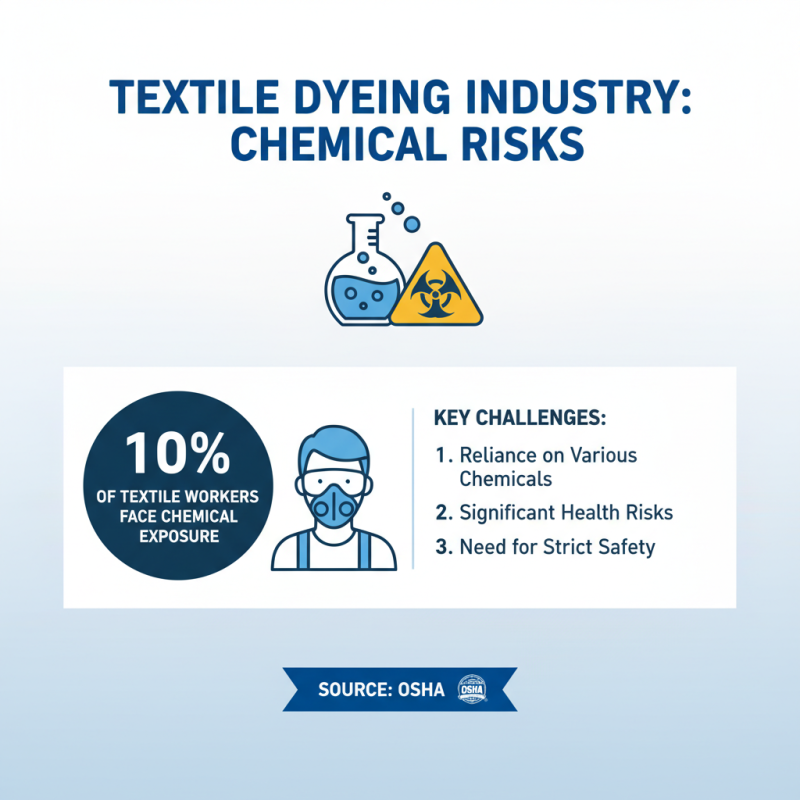
The textile dyeing industry relies heavily on various chemicals. However, the handling of these substances carries significant risks. According to the Occupational Safety and Health Administration (OSHA), approximately 10% of textile workers experience chemical exposure. This statistic highlights the need for stringent safety measures.
When dealing with dyeing chemicals, personal protective equipment (PPE) is essential. Workers should wear gloves, goggles, and masks. Yet, many fail to follow these guidelines. A survey found that nearly 40% of textile workers do not use proper PPE. This negligence can lead to severe health issues, such as skin irritation and respiratory problems.
Storage of dyeing chemicals is another area of concern. Chemicals must be kept in labeled containers and away from direct sunlight. Unfortunately, many facilities do not adhere to these protocols. The consequences can be dire. Chemical spills, often caused by improper storage, create hazardous working environments. It is critical to prioritize safety to protect workers and maintain a sustainable industry.
Related Posts
-
What are the Best Dyes for Textile Applications and Their Benefits
-
Comprehensive Guide to Textile Dyeing Chemicals List for Professionals
-
What is Textile Dyestuff and How is it Used?
-
2025 Guide: How to Choose the Best Textile Fabrics for Your Projects
-

Exploring Innovations in the US Textile Industry and Their Impact on Sustainability
-

Top Tips for Optimizing Your Textile Website for Better Search Rankings