Colourinn Industries – Textile & Dyes Auxiliaries Manufacturer & Exporter

Blog

  1. Home
  2. /
  3. Blog

China Best Textile Mills How to Choose Reliable Suppliers?

Choosing reliable textile mills in China requires more than comparing prices on a supplier directory. A polished website proves very little. The real evidence appears in yarn records, laboratory reports, production floors, and shipment history. Buyers should examine fiber content, yarn count, fabric weight, colorfastness, shrinkage, pilling resistance, and batch consistency. One failed lot can delay an entire retail launch.

Dr. Subhash K. Batra, a respected textile engineering professor, offers a useful quality principle: “Quality must be built into the process, not inspected into the product.” This idea matters when evaluating textile mills. Ask whether the mill controls incoming fibers, calibrates testing equipment, and records corrective actions. Request recent test reports, not carefully selected examples. Confirm whether the factory owns its machinery or quietly outsources production. That detail can change delivery reliability.

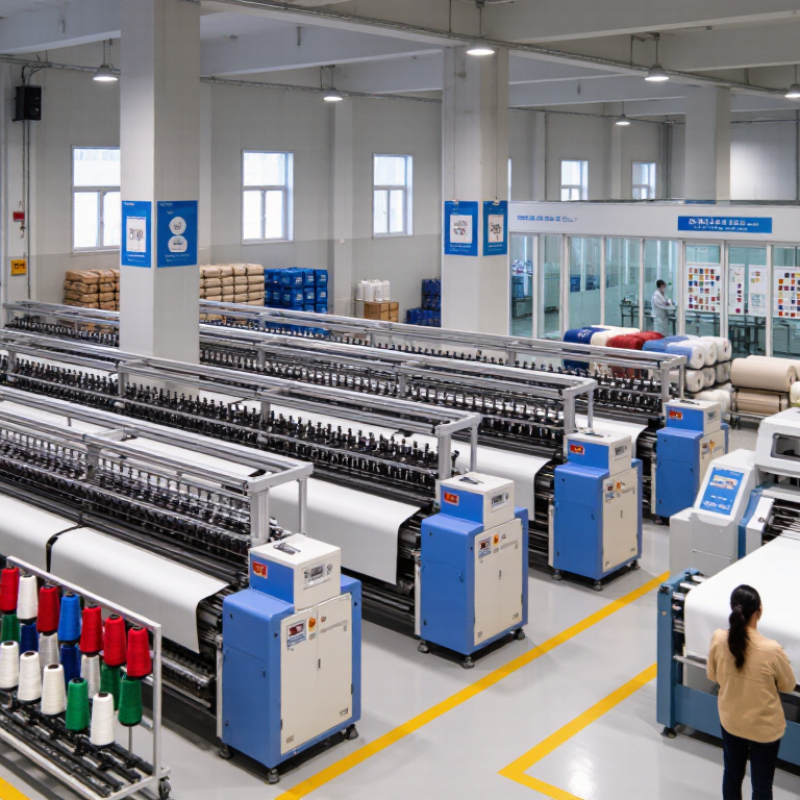
Visit the facility when possible. Look for organized storage, labeled rolls, functioning inspection machines, and workers following documented procedures. Ask for references from buyers with similar fabric requirements. Check monthly capacity, minimum order quantities, lead times, export experience, and communication practices. Environmental management also deserves attention, especially dyeing wastewater, chemical storage, and energy use. Certifications can support trust, but certificates should be verified independently.

No supplier is flawless. Buyers can misjudge a mill after one successful sample. I have seen attractive fabric become inconsistent during bulk production. A stronger decision combines samples, records, factory observation, and small trial orders. Reliability grows through transparent communication, measurable standards, and a written quality agreement. Price matters. It should never be the only decision.
China Best Textile Mills How to Choose Reliable Suppliers?

Define the Qualities of a Reliable Chinese Textile Mill

Define the Qualities of a Reliable Chinese Textile Mill A reliable Chinese textile mill shows its production process clearly. Visit the facility, if possible, and observe yarn storage, weaving lines, dyeing areas, and finished-goods inspection. Clean floors are useful, but consistent records matter more. Ask for recent quality reports, fiber content tests, and colorfastness results. The mill should explain which laboratory performed each test. It should also provide batch numbers that connect fabric rolls with production dates. Traceability protects buyers when defects appear months later.

Communication reveals professional discipline. A dependable supplier answers technical questions directly and confirms details in writing. Check sample approval procedures, shrinkage tolerances, minimum order quantities, and delivery schedules. Reliable mills usually maintain documented quality checkpoints instead of depending on one experienced worker. Ask how they handle uneven dyeing, broken yarns, or delayed raw materials. Their response should include a corrective action, not only an apology. Details matter.

Certifications can support trust, but certificates alone prove little. Verify their validity and compare the document scope with your actual fabric order. A mill may have excellent machinery yet weak customer service. Another may communicate warmly but lack stable production capacity. No mill is flawless. I would begin with a small trial order, inspect the fabric after washing, and record every issue. This approach costs time, but it exposes weaknesses before larger commitments. A trustworthy textile partner accepts reasonable inspection and leaves room for honest improvement.

Identify China’s Major Textile Manufacturing Regions

China’s textile supply base is concentrated in distinct manufacturing regions. The Yangtze River Delta, including Zhejiang, Jiangsu, and Shanghai, is strong in fabrics, dyeing, knitting, and finished garments. China Textile Industry Federation reports consistently identify this area as a major textile industry cluster. Zhejiang is especially suitable for woven fabrics and home textiles, with dense networks of mills, dye houses, testing laboratories, and logistics providers.

Guangdong and Fujian offer different advantages. Guangdong’s Pearl River Delta supports fast garment production, accessories, and export-oriented manufacturing. Fujian is well known for knitted fabrics, sportswear materials, and synthetic fibers. Shandong has strong capabilities in cotton textiles and industrial fabrics, while Jiangsu provides large-scale yarn and chemical fiber production. China Customs data recorded approximately 293.6 billion dollars in textile and apparel exports in 2023, showing the depth of this national supply network.

Regional expertise helps, but it does not guarantee reliability. A supplier’s address may belong to a trading office, not a factory. Request recent production records, fiber test reports, and a live video inspection. Compare water, energy, and labor compliance documents with independent audit findings. This step matters.

Small details reveal experience.

Check sample edges, shade consistency, and carton markings. The China National Bureau of Statistics also tracks regional industrial output, but public figures can hide subcontracting risks. I would not choose a mill from location alone. Visit the facility when possible, and verify whether its machinery matches your order volume.

China Best Textile Mills: How to Choose Reliable Suppliers? — Identify China’s Major Textile Manufacturing Regions

Manufacturing Region Representative Textile Clusters Main Product Strengths Typical Manufacturing Advantages Logistics Considerations Supplier Verification Priorities
Zhejiang Shaoxing, Keqiao, Hangzhou, Ningbo Chemical-fiber fabrics, knitted fabrics, printed and dyed fabrics, home-textile materials Dense fabric, dyeing, printing, finishing and accessories supply chains; suitable for fast sampling and varied fabric specifications Strong road and port connections through Ningbo-Zhoushan and nearby Yangtze River Delta transport networks Confirm dyeing-house capacity, wastewater compliance, colorfastness testing, fabric-weight tolerance and lot-to-lot consistency
Jiangsu Suzhou, Wujiang, Nantong, Changzhou, Wuxi Silk and silk-blend fabrics, synthetic fabrics, home textiles, industrial textiles and yarns Advanced textile machinery base, broad technical expertise and strong integration with the Yangtze River Delta industrial network Efficient access to Shanghai, Taicang and other regional logistics gateways Check equipment ownership, technical production records, recycled-content claims and testing for tensile strength, shrinkage and pilling
Guangdong Guangzhou, Foshan, Zhongshan, Dongguan, Shantou Apparel fabrics, denim, knitted fabrics, garment accessories and fashion-oriented textiles Strong links between fabric development, garment manufacturing, design services and export trading Good access to major ports in the Pearl River Delta; inland delivery costs should be checked for remote facilities Verify factory address, subcontracting controls, labor compliance, minimum order quantity, lead time and pre-shipment inspection procedures
Fujian Quanzhou, Jinjiang, Shishi, Xiamen, Fuzhou Sportswear fabrics, knitted fabrics, functional textiles, footwear textiles and casual apparel materials Experienced in stretch fabrics, performance finishes, knitwear and integrated apparel production Xiamen and other coastal logistics gateways support export shipments; confirm the factory’s actual shipping location Request evidence for moisture management, stretch recovery, colorfastness, restricted substances and functional-finish durability
Shandong Qingdao, Weifang, Zibo, Jinan and surrounding textile areas Cotton yarns, woven fabrics, towels, home textiles and industrial textile materials Established cotton-processing capabilities and a strong base for home-textile and technical-textile production Qingdao provides an important northern export gateway; inland transport from other cities may affect delivery cost Review raw-cotton traceability, yarn-count accuracy, absorbency, colorfastness, defect rate and warehouse moisture controls
Hubei Wuhan, Xiantao, Jingzhou and surrounding areas Nonwoven fabrics, medical and hygiene materials, cotton textiles and industrial fabrics Strong specialization in nonwovens and growing technical-textile production; suitable for standardized bulk materials Central-China location can support inland distribution, while export orders may require additional transport to coastal ports Verify basis weight, filtration or barrier performance where applicable, clean-production controls and batch traceability
Henan Zhengzhou, Xinxiang, Anyang and surrounding cotton-textile areas Cotton yarns, woven fabrics, industrial fabrics and selected nonwoven materials Competitive access to cotton-processing resources and central supply-chain connections Rail and road transport are important for moving goods to coastal export ports; obtain a complete freight quotation Check spinning or weaving capacity, raw-material sourcing, contamination controls, quality records and production continuity
Practical selection rule: Choose the region according to the product category, then verify the individual supplier through factory registration, production-site inspection, independent laboratory testing, sample approval, written quality specifications and a controlled trial order. Regional strengths are general industry characteristics and do not replace supplier-level due diligence.

Evaluate Fabric Quality, Production Capacity, and Certifications

When sourcing from China’s textile mills, fabric quality should be checked beyond a soft hand feel. Request lab dips, a production roll, and a clear specification sheet. Examine GSM, width, fiber composition, shrinkage, colorfastness, and pilling results. A practical test is washing one sample three times under documented conditions. Check again. Compare the washed fabric with the original under daylight. Small shade changes can create costly complaints.

Production capacity must match your schedule, not merely impress during a factory tour. Ask for monthly output by fabric type, machine availability, maintenance records, and current order load. Review how the mill handles urgent replacements and inconsistent yarn lots. A reliable supplier shares realistic lead times, including inspection and packing days. Request a small trial order before committing to large volumes. It reveals workflow problems early. Capacity figures can be optimistic during peak seasons.

Certifications support trust, but certificates need verification. Check the issuing body, scope, expiry date, facility address, and covered processes. Confirm whether the document applies to the actual mill or only a trading office. Request recent reports from independent laboratories for restricted substances or recycled content claims. Keep records of approvals, corrective actions, and batch numbers. My own checks have shown that paperwork may look complete while traceability remains weak. That gap deserves a direct question, not polite acceptance.

Verify Supplier Credentials, Communication, and Factory Standards

When choosing China’s best textile mills, verify credentials before discussing prices. Request the business license, factory address, export history, and current quality certificates. Check that the certificate holder matches the legal supplier. A copied certificate can look convincing.

Factory standards require physical evidence. Ask for recent audit reports, laboratory records, worker training logs, and production-capacity data. During a visit, inspect cutting tables, dyeing areas, storage racks, and fire-safety routes. Confirm whether testing is performed in-house or by an independent laboratory. Textile Exchange’s Materials Market Report 2024 estimates global fiber production reached 124 million tonnes in 2023, with polyester representing 57%. This scale makes traceability increasingly important. However, a large factory is not automatically reliable.

Communication reveals operational discipline. Send a technical pack with fabric weight, shrinkage limits, color references, packaging details, and inspection standards. Measure how clearly the supplier answers. Fast replies are not enough. Ask who handles complaints and how rejected fabric is corrected. The International Trade Centre’s Trade Map data shows China remains a major global textile and apparel exporter, but export volume cannot prove consistent quality. Request a sample, then compare it with bulk production. Record every change in writing. No checklist is perfect. A missed detail during approval can become an expensive problem later.

China Best Textile Mills: How to Choose Reliable Suppliers

This 100-point evaluation framework emphasizes verifiable business credentials, clear communication, factory standards, quality control, and delivery transparency. Buyers should confirm each area with official documents, production records, audit evidence, samples, and written commitments before placing an order.

Compare Samples, Pricing, Contracts, and Delivery Performance

When evaluating China textile mills, start with physical samples, not polished presentations. Request the same fabric construction from each supplier. Check fiber content, GSM, width, weave, hand feel, and sewing behavior. Wash samples under your intended process. Record shrinkage and color change. A sample passed our office test, but production later showed uneven dyeing. That mistake taught us to request several meters, not one swatch. Use an accredited laboratory for fiber, colorfastness, and strength tests. Keep signed sample cards with dates and revision numbers. Small details matter.

Pricing should be compared on identical specifications. A low meter price can hide higher minimum orders, testing fees, packing costs, or waste. Ask for a clear quotation with currency, validity, payment stages, and production lead time. Calculate the delivered cost, including freight and inspection. One supplier reduced the price after negotiation, but added stricter payment terms. We had focused too much on the headline figure. That was not a serious comparison. Reliable mills explain cost changes when yarn, dye, or energy prices move. Request a written cost breakdown when differences seem unusual.

Contracts should attach the approved sample and measurable tolerances. Define width, GSM, shade range, defect limits, packaging, inspection rights, and remedies. Avoid vague promises such as “premium quality.” Delivery performance needs evidence. Review recent on-time records, capacity plans, and responses to delayed materials. Use milestone dates for lab dips, bulk approval, production, and shipment. A pre-shipment inspection can catch problems before cartons leave the mill. Still, inspections are not a substitute for supplier communication. Ask how the mill handles failed tests and urgent rework. We once trusted an optimistic schedule and missed a seasonal launch. The contract was clear, but our follow-up was weak. That gap deserves attention.