
Blog
- Home
- /
- Blog
2026 How to Improve the Dyeing Textile Process Efficiently?
In the textile industry, the dyeing textile process plays a critical role in achieving vibrant colors and enhancing fabric appeal. However, inefficiencies often arise during this process. The consequences can include wastage of resources and environmental impact. Identifying these issues is crucial for improvement.
Innovation can lead to more effective dyeing methods. New technologies and practices are emerging, aiming to optimize this essential process. For instance, advanced dyeing machines can reduce water and energy consumption. But implementing these changes requires careful planning and expertise.
Reflecting on current practices can expose gaps in efficiency. While some manufacturers excel, many still rely on outdated procedures. Analyzing these disparities can inspire change. Moving toward a more sustainable dyeing textile process is not just beneficial for business; it is essential for the planet.
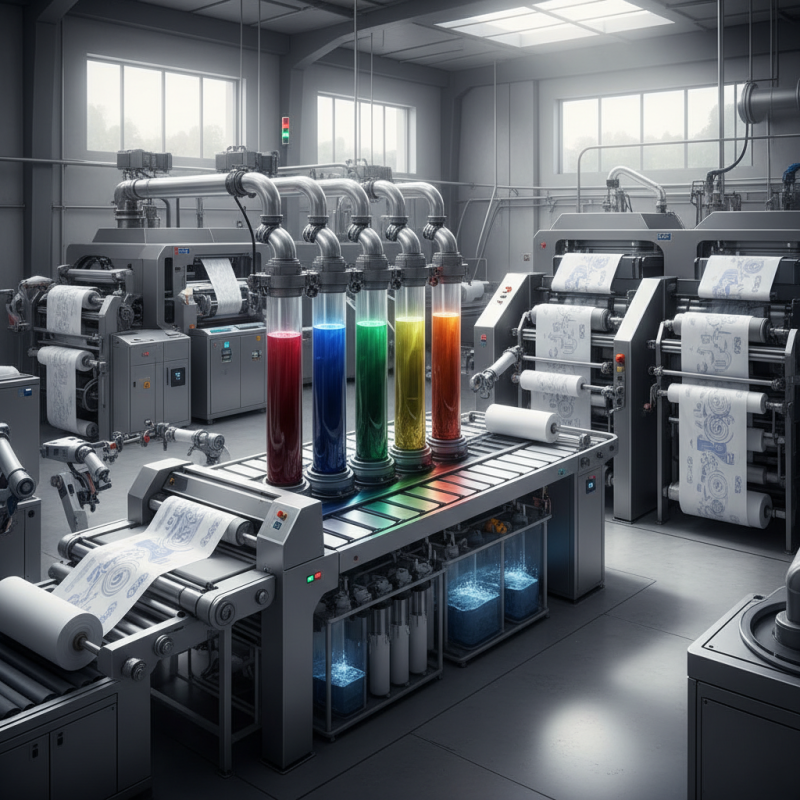
Understanding the Basics of the Dyeing Textile Process
Dyeing is a crucial step in textile production. It brings colors to fabrics and enhances their appeal. Understanding the fundamentals of this process is essential for improvement. The dyeing process typically involves several stages: preparation, dye application, and rinsing. Each stage requires careful attention to detail.
In the preparation phase, textiles must be cleaned and treated. This ensures the dye adheres properly. Factors like water quality and temperature can significantly affect the outcome. It's easy to overlook these aspects, but they play a vital role. Many processes struggle with inconsistency due to inadequate preparation methods. A little more care here can lead to better results.
Applying dye can be complex. Different methods, such as direct dyeing or resist dyeing, produce distinct results. Each technique has its pros and cons, making exploration necessary. For instance, some dyes may not hold up well after washing. This inconsistency can frustrate manufacturers and customers alike. Regular reflections and adjustments in these techniques can improve reliability and product quality. Understanding these nuances helps practitioners refine their skills and create more vibrant, long-lasting textiles.
2026 How to Improve the Dyeing Textile Process Efficiently?
This chart illustrates the average efficiency improvement in various stages of the dyeing textile process over the years. The data represents advancements in technology and methodology, which contribute to better resource management and reduced wastage.
Identifying Common Challenges in Textile Dyeing Efficiency
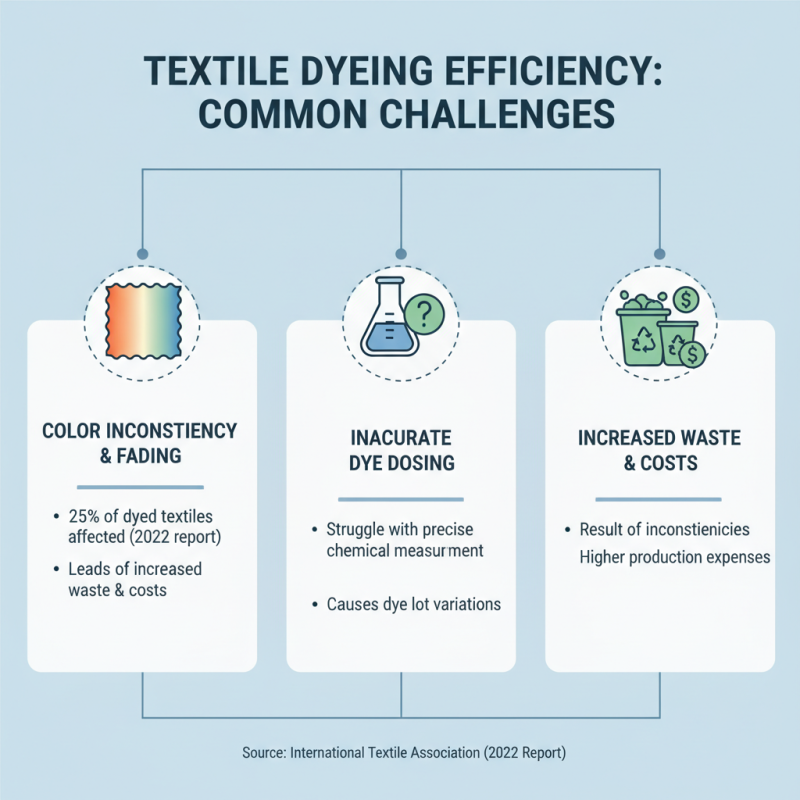
In the textile dyeing industry, several common challenges hinder efficiency. According to a 2022 report by the International Textile Association, approximately 25% of dyed textiles face issues like color inconsistency and fading. This leads to increased waste and higher costs. Many manufacturers struggle with the precise measurement of dye chemicals. Inaccurate dosing can lead to dye lot variations.
Water management is another critical aspect. An estimated 70% of the dyeing process is water-intensive. Poor water quality can alter dye uptake, resulting in waste. Additionally, environmental regulations often dictate water usage limits. This creates a challenging landscape for compliance and efficiency.
Technological advancements have the potential to improve dyeing efficiency significantly. However, many facilities lack the necessary equipment and expertise. A recent study found that only 36% of dyeing facilities employ analytics for process optimization. This gap suggests a need for investment in both technology and training. Addressing these bottlenecks can enhance overall efficiency in the dyeing process.
Innovative Technologies for Enhanced Dyeing Performance
The dyeing textile process is evolving with innovative technologies that enhance overall performance. New techniques are emerging to tackle traditional challenges, including water waste and inconsistent color application. Advanced dyeing methods such as digital printing and eco-friendly dyes provide promising solutions.
One effective way to improve dyeing efficiency is implementing real-time monitoring systems. These systems enable better control over temperature and pH levels during the dyeing process. Consistent monitoring reduces errors and waste. Another approach involves using recycled water systems, which can dramatically decrease resource consumption.
Tips: Regular training for staff on new technologies is essential. Engaged workers can optimize process steps, improving outcomes. Collaborate with suppliers to stay updated on sustainable practices in dyeing. These relationships can foster innovation and reliability.
Innovation is essential, but reflection is vital too. The industry faces challenges, including environmental impact and operational efficiency. Embracing solutions requires a willingness to experiment and learn from shortcomings. By focusing on creative applications of technology, the textile dyeing process can achieve remarkable advancements.
Sustainable Practices in Dyeing for Environmental Impact
The textile dyeing process has significant environmental impacts. In fact, the industry is responsible for approximately 20% of water pollution globally. Sustainable practices are vital to mitigate these effects. One way to improve is by utilizing natural dyes. These dyes, derived from plants and minerals, can reduce toxic waste. Research shows that natural dyeing can lower carbon emissions by up to 30%.
Another approach involves water recycling systems. By reclaiming water from dye processes, companies can significantly cut down on fresh water usage. Data from industry reports indicate that this can reduce water consumption by 50%. Additionally, many manufacturers are turning to digital printing, which minimizes dye usage. This method not only conserves resources but also allows for greater design flexibility.
Tip: Consider attending workshops on sustainable dyeing practices. Learning from experts can reveal cost-effective solutions.
Moreover, consumer awareness is growing. Brands adopting eco-friendly practices often see increased customer loyalty. Transparency in sourcing and production can enhance a brand's reputation. Yet, some companies still hesitate to invest in sustainable technologies. It's essential for the industry to reflect on these challenges and act decisively to foster change.
Measuring and Analyzing Dyeing Process Efficiency
Measuring and analyzing the dyeing process efficiency is crucial for textile manufacturers. It helps in identifying areas of waste and opportunities for improvement. Gathering data on dye usage, water consumption, and energy costs can illuminate inefficiencies. Regularly reviewing this data is vital for making informed decisions.
Tips: Use digital tools to track dyeing parameters. Data visualization can help interpret trends clearly. Set benchmarks to evaluate progress over time. Without consistent monitoring, inefficiencies may go unnoticed.
Another aspect to consider is worker involvement in the process. Engaging employees in discussions about challenges can lead to innovative solutions. They often possess insights that management may overlook. Regular training sessions can also enhance their skills and awareness of efficiency goals.
Tips: Foster a culture of open communication. Encourage feedback and suggestions from the dyeing team. This can significantly improve morale and productivity. Remember, a collaborative approach can yield unexpected benefits.
Related Posts
-
2026 Top Dyeing Textile Process Techniques You Should Know?
-
How to Find the Best Textile Distributors for Your Business Needs
-

Top 10 Processing Textile Techniques for Global Buyers?
-

2025 Top 10 Textile Auxiliaries Innovations Driving Sustainability and Efficiency
-

What is Textile Turkey and its Impact on the Global Market?
-

2026 How to Choose the Right Chemical Textile for Your Needs