Colourinn Industries – Textile & Dyes Auxiliaries Manufacturer & Exporter

Blog

  1. Home
  2. /
  3. Blog

How to Source from Bangladesh Textile Industry in 2026?

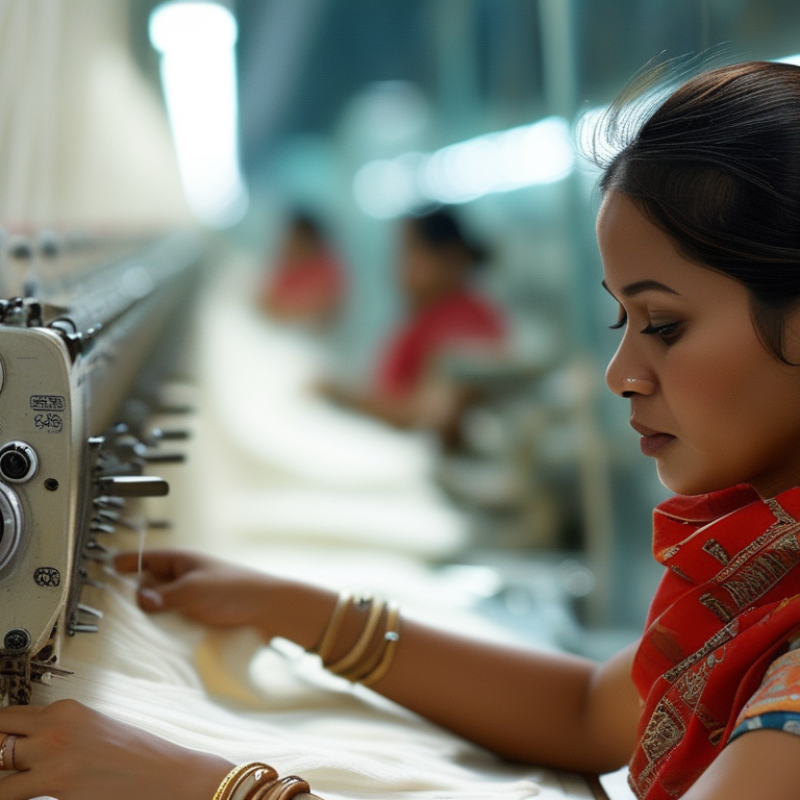
The Bangladesh textile industry stands as a major player in the global market. As we approach 2026, sourcing from this vibrant sector becomes increasingly vital for businesses around the world. In recent years, Bangladesh has demonstrated remarkable growth, driven by its skilled workforce and competitive pricing. This country offers a unique combination of quality and affordability that many brands seek.

However, navigating the complexities of the Bangladesh textile industry requires a keen understanding. Ethical practices and sustainability are more important than ever. Companies face challenges regarding compliance, working conditions, and environmental impact. Securing reliable suppliers is essential, but so is ensuring they adhere to ethical standards. It's crucial to balance quality with responsibility.

As we explore sourcing options in this evolving landscape, reflections on past practices will guide future decisions. Building strong relationships with suppliers will require trust and transparency. Businesses must remain aware of the ethical implications of their sourcing choices. Embracing the potential of the Bangladesh textile industry means acknowledging both its strengths and areas for improvement.
How to Source from Bangladesh Textile Industry in 2026?

Understanding the Bangladesh Textile Industry Landscape in 2026

Bangladesh is a powerhouse in the textile sector. In 2026, understanding its landscape is vital for sourcing. The country has a vast array of manufacturers, from large factories to small workshops. This diversity can offer flexibility but requires careful navigation.

Challenges remain prominent. Labor conditions vary greatly across facilities. Some factories maintain high standards, while others fall short. It's crucial to assess each facility's practices before entering a partnership. Many businesses find it helpful to conduct on-site visits or audits. Building strong relationships with local suppliers can also lead to better information on factory conditions.

In terms of trends, sustainability is gaining momentum. Many producers are shifting towards eco-friendly practices. Organic materials and waste reduction strategies are becoming standard. However, not all suppliers are keeping pace with these changes. Staying informed about the latest certifications and practices is essential for responsible sourcing. This evolving landscape in Bangladesh requires ongoing commitment and adaptability.

Identifying Reliable Suppliers and Manufacturers in Bangladesh

When sourcing from the Bangladesh textile industry, identifying reliable suppliers is crucial. Bangladesh is known for its rich textile heritage. The country has numerous manufacturers, but not all maintain high standards. Research is essential to find the right partners. Online platforms can provide initial leads, but due diligence is key.

Evaluating suppliers involves checking credentials and reviews. Look for factories that hold certifications. These can indicate adherence to quality and ethical practices. Visiting potential suppliers can offer firsthand insights. It's also wise to start with small orders. This approach helps to assess product quality and communication.

However, there are pitfalls. Some suppliers may present a polished image but fail on delivery. Communication gaps can cause misunderstandings. Flexibility is important. Be prepared to adapt as you build relationships. Establishing trust takes time. Make sure you regularly review supplier performance. This proactive approach can lead to long-lasting partnerships.

Assessing Quality Control Standards in Bangladesh Textile Sourcing

When sourcing from the Bangladesh textile industry, quality control standards play a crucial role. In 2026, ensuring product quality will be more important than ever. Many suppliers may adhere to different standards, making it vital to assess their practices closely. Establishing benchmarks for quality can help streamline this process, regardless of the complexity of sourcing.

Tips for quality assessment: Visit manufacturers in person. Observing their facilities offers insights into their production techniques. Pay attention to their quality control processes. This includes testing samples at various production stages. Trust but verify; requiring documentation or testing certifications can safeguard against potential issues.

Keep in mind that not all suppliers are the same. Some may excel in specific aspects but lack in others. It’s beneficial to ask for references and case studies from previous clients. Reviewing their past work can reveal reliability levels and workmanship quality. Remember that ongoing communication is key. Regular check-ins can help address issues before they escalate, ensuring a smoother collaboration throughout the sourcing process.

How to Source from Bangladesh Textile Industry in 2026? - Assessing Quality Control Standards in Bangladesh Textile Sourcing

Criteria Standard Compliance Rate (%) Key Insights
Fabric Quality ISO 9001:2015 85% Routine audits ensure consistent quality.
Sustainability Standards Global Organic Textile Standard (GOTS) 70% Increasing adoption among manufacturers.
Labor Practices Fair Trade Certification 65% Focus on improving working conditions.
Chemical Safety OEKO-TEX Standard 100 75% Regular testing to meet safety requirements.
Product Testing ASTM Standards 80% Comprehensive testing implemented.

Navigating Trade Regulations and Tariffs for Textile Imports

Navigating the textile import landscape from Bangladesh requires a solid understanding of trade regulations. As of 2026, the complexities of tariffs and import regulations continue to evolve. The country remains one of the largest textile producers, with the industry contributing approximately $34 billion to its economy. Importers must stay informed about compliance standards.

Tariffs on textiles can fluctuate significantly. Current estimates suggest that average duties can be around 10% to 25%. These rates depend on the specific fabric and materials used. Accurate classification of products is essential to prevent overpayment. Moreover, both the World Trade Organization (WTO) and local regulatory bodies frequently update guidelines, necessitating vigilance from importers.

Documentation is another crucial element. Importers face potential delays if paperwork is incomplete or incorrect. An estimated 30% of imports experience holdups due to documentation errors. Collaborating with local experts or consultants can mitigate confusion and streamline processes, ensuring a smoother transaction. The landscape is fraught with challenges, but thorough research and adaptability are key elements for success in 2026.

Textile Imports from Bangladesh in 2026

Leveraging Technology for Efficient Sourcing from Bangladesh

In 2026, leveraging technology will be crucial for efficient sourcing from Bangladesh's textile industry. With its robust growth, the industry is projected to reach $100 billion in exports by 2025. Technology can streamline the sourcing process, making it more transparent and faster. Data-driven approaches allow businesses to forecast trends and make informed decisions.

The use of digital platforms can enhance supplier visibility. Companies can easily assess materials and production capabilities of various manufacturers. Blockchain technology, for instance, provides a secure way to track the authenticity of products. A study by the International Finance Corporation highlights that digitization can reduce lead times by up to 30%.

Tip: Invest in data analytics tools. They help in selecting suppliers based on performance and reliability. Regularly monitor supply chain metrics; this can significantly improve operational efficiency.

Consider the challenges too. Not all suppliers may be ready for advanced technology. A certain level of adaptation is required in the industry. It’s essential to manage expectations and provide support during this transition. Inconsistent data quality can also pose risks. Therefore, maintaining high standards of data integrity should be a priority.