
Colourinn Industries – Textile & Dyes Auxiliaries Manufacturer & Exporter

Blog

  1. Home
  2. /
  3. Blog

How to Source Reishi Mushroom Extract in 2026?

Sourcing reishi mushroom extract in 2026 requires more than comparing prices per kilogram. Buyers must verify identity, cultivation practices, extraction methods, and batch-level testing. Reishi, usually associated with Ganoderma lucidum and related Ganoderma species, can vary significantly by strain and growing substrate. A polished powder is not proof of quality.

Market demand is expanding. Grand View Research’s 2024 medicinal mushroom market analysis projects strong growth through 2030, with functional ingredients supporting wider use in supplements and beverages. Future Market Insights also identifies mushroom-based products as a growing category, driven by consumer interest in wellness and botanical ingredients. These reports indicate opportunity, but they do not replace supplier audits. No report can confirm one factory’s actual batch quality.

A reliable sourcing process begins with documented species authentication and a clear production trail. Ask whether the mushrooms are cultivated on hardwood, grain, or mixed substrates. Request the extraction solvent, extraction ratio, moisture level, and beta-glucan testing method. A useful certificate of analysis should also cover heavy metals, pesticides, microbes, residual solvents, and adulterants. Independent laboratory verification matters.

Look closely at the numbers.

Some suppliers advertise “high polysaccharides” without identifying beta-glucans. That wording deserves scrutiny. Experienced buyers should compare chromatographic profiles, not only headline percentages. Samples should arrive in sealed, labeled packaging with lot numbers and storage instructions. Suppliers should explain their corrective-action process when results fail specifications.

This guide examines how to source reishi mushroom extract responsibly in 2026. It considers supplier qualification, regulatory expectations, documentation, pricing, and long-term consistency. The process is practical, but not flawless. Testing can miss problems, and specifications may need revision as better evidence becomes available. That uncertainty should be managed openly, not hidden behind marketing language.
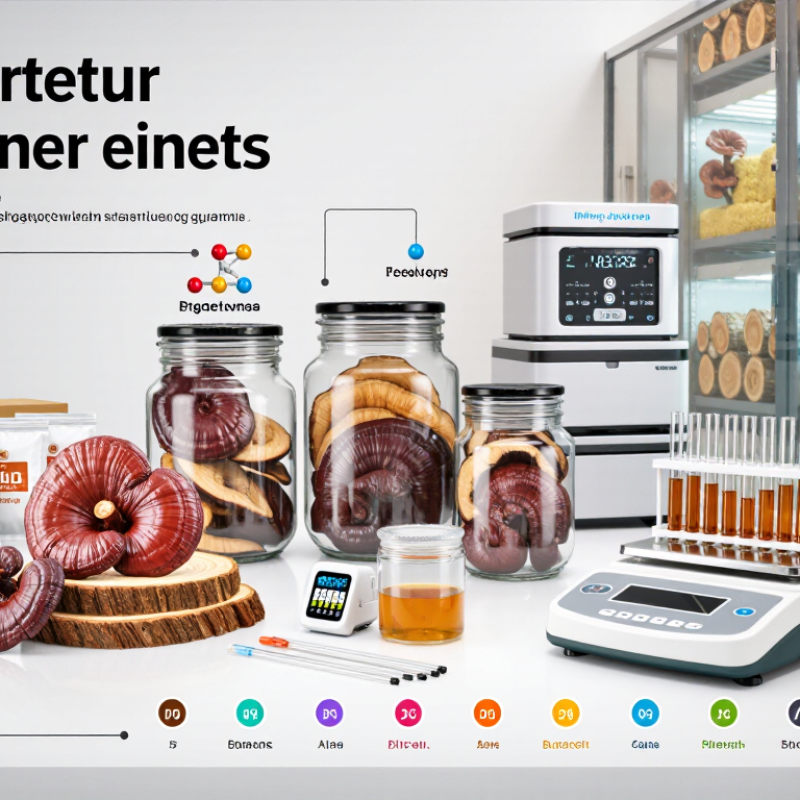
How to Source Reishi Mushroom Extract in 2026?

Defining Reishi Mushroom Extract Specifications and Intended Uses

How to Source Reishi Mushroom Extract in 2026?

Defining specifications comes before comparing suppliers. Confirm the species as Ganoderma lingzhi, not simply “reishi mushroom.” Specify the material: fruiting body, mycelium, or a documented blend. These materials can produce different chemical profiles.

For extraction, request the solvent, ratio, temperature, and carrier details. A serious specification should list beta-glucans, triterpenes, moisture, microbial limits, heavy metals, pesticides, and residual solvents. Identity testing should include DNA or validated chromatographic methods, not only appearance.

Intended use changes every requirement. A powdered food ingredient may need dispersibility and mild flavor. A capsule ingredient needs tighter potency and stability data. Cosmetic use requires different safety documentation and contaminant controls.

Grand View Research estimated the global medicinal mushroom market at about USD 25.4 billion in 2023, with growth projected through 2030. However, that figure covers several mushroom types, not reishi extract alone. The distinction matters.

WHO reported that 170 countries use traditional medicine, but traditional use does not prove a modern health claim. I would treat that evidence gap seriously.

Tips: Ask for three recent batch certificates, one retained sample, and a full testing method. Compare beta-glucan results on a dry-weight basis. Check whether “polysaccharides” includes starch or other carbohydrates. Do not accept vague terms such as “high potency.” Supplier audits are useful, but they are not perfect. I would also review harvest region, processing date, allergen controls, and traceability records before approving a specification.

Evaluating Reishi Species, Growing Methods, and Extraction Formats

How to Source Reishi Mushroom Extract in 2026?

Evaluating Reishi Species, Growing Methods, and Extraction Formats

Species identification should come before price comparisons. Ganoderma lingzhi is commonly cultivated for commercial extracts, while Ganoderma lucidum may describe several closely related populations. The naming is not always clean. Ask suppliers for authenticated species records, cultivation location, and voucher or genetic testing when available. A Latin name alone is not enough.

Growing method affects composition and sourcing reliability. Log-grown mushrooms develop slowly on hardwood, often requiring months or years. Sawdust cultivation is faster and easier to standardize, but substrate quality matters. Check whether the material is a fruiting body, mycelium, or a mixture. Mycelium grown on grain can contain substantial starch. That detail may be overlooked. Request production dates, substrate information, and contaminant testing for heavy metals, pesticides, microbes, and unwanted mold.

Extraction format should match the intended application. Hot-water extraction is commonly used for water-soluble polysaccharides. Alcohol extraction can help concentrate triterpenes. Dual extraction may capture a broader chemical profile, but it does not automatically prove better quality. Powdered whole mushrooms are simpler, though their compounds may be less concentrated. Review the certificate of analysis carefully. It should identify batch numbers, testing methods, beta-glucan levels, triterpene results, and moisture content. If a report lists only “polysaccharides,” ask what the laboratory actually measured. Do not rely on impressive percentages without method details.

Checking Supplier Credentials, Testing Records, and Product Traceability

How to Source Reishi Mushroom Extract in 2026?

Supplier credentials should be checked before discussing price or minimum order quantities. Request current manufacturing certifications, facility registration, and quality management records. Confirm that certificates match the actual production site. A sales office may not be the manufacturer. Ask who controls extraction, drying, packaging, and final release. Small details matter.

Testing records should identify the batch, test date, sample method, and laboratory. A generic certificate proves little. Look for results covering microbial contamination, heavy metals, pesticides, moisture, and identity. For reishi extract, the report should clarify species, extraction medium, and marker compounds such as beta-glucans or triterpenes. Independent laboratory testing adds confidence, but laboratory names alone are not enough. Review signatures, methods, and detection limits.

Product traceability should work in both directions. The supplier should link the finished lot to cultivation records, raw mushroom intake, extraction logs, and shipment documents. Ask for a sample batch number and test the tracking process yourself. Can they locate the harvest date within minutes? Can they explain a delayed result? These answers reveal operational discipline. I once treated a polished certificate as strong evidence; that was too optimistic. Records can look complete while leaving gaps between raw materials and finished powder. Keep written questions, compare documents across lots, and request explanations when numbers change. Reliable sourcing is careful, sometimes inconvenient, and never based on paperwork alone.

Comparing Potency, Purity, Pricing, Minimum Orders, and Lead Times

How to Source Reishi Mushroom Extract in 2026?

In 2026, sourcing reishi extract starts with a precise product specification. Define the species, growing method, mushroom part, and extraction ratio. Ask whether the material uses fruiting bodies, mycelium, or a controlled blend. Potency claims need clear testing methods. Request beta-glucan and triterpene results, not vague “polysaccharide” figures. Batch-specific certificates should show sample dates, methods, and laboratory details. An independent laboratory accredited to ISO/IEC 17025 adds useful confidence. Samples matter.

Purity testing should cover heavy metals, pesticides, microbes, and residual solvents. Ask for limits and actual results. Do not accept a generic certificate for every batch. That sounds obvious, but procurement teams still miss it. Check color, aroma, solubility, and sediment in a retained sample. These details cannot replace laboratory data, yet they can reveal handling problems early.

Pricing becomes meaningful only after normalizing active content, packaging, testing, and delivery terms. A cheaper kilogram may contain less measurable beta-glucan. Compare the cost per kilogram of standardized extract. Compare the cost per tested active unit too. My earlier mistake was comparing quotes before checking extraction strength. Minimum orders should match realistic demand and shelf-life planning. Smaller pilot quantities may cost more, but they reduce inventory risk. Lead times should include cultivation, extraction, testing, production scheduling, and freight. Request a written timeline with approval points. Keep a buffer for retesting or customs delays. Suppliers may promise speed; documentation often moves slower.

Finalizing Samples, Contracts, Packaging, and Quality Monitoring

In 2026, the final sourcing decision should begin with retained samples, not a persuasive sales deck. I request three production lots, not one. Each sample should state species, fruiting body or mycelium, extraction ratio, solvent, carrier, beta-glucan method, and moisture. Grand View Research’s 2024 market assessment projects the medicinal mushroom market to grow by about 9% annually through 2030. Growth increases pressure on supply consistency. It does not prove quality. An independent laboratory should confirm identity, beta-glucans, triterpenes, microbial counts, pesticides, and heavy metals. The testing method matters.

Contracts should define acceptance limits, sampling points, retest rules, change notifications, audit access, and corrective-action deadlines. Require batch-specific certificates, raw chromatograms when appropriate, and traceability to cultivation records. FAO estimates that up to 25% of global food crops are affected by mycotoxins. Therefore, a “not detected” claim needs a stated detection limit. We once accepted a certificate without checking its method. That was avoidable. Packaging needs equal discipline. Use sealed, food-contact-compliant liners with measured oxygen and moisture barriers. Confirm seal integrity after transport simulation. A dry powder can still cake inside a warm container.

Quality monitoring continues after approval. Set a retain-sample schedule, quarterly trend review, and complaint trigger. Compare incoming results with the original three lots, not only specification limits. Stability testing should include real-time and accelerated conditions through the proposed shelf life. Suppliers should report deviations before shipment. That sounds obvious. It is often missing.

How to Source Reishi Mushroom Extract in 2026?

Finalizing Samples, Contracts, Packaging, and Quality Monitoring

The chart presents a practical sourcing-readiness framework for 2026. Progress is assessed across representative procurement milestones: sample verification, contract finalization, packaging approval, and ongoing quality monitoring. Quality monitoring should include identity testing, beta-glucan assay verification, microbiological testing, heavy-metal screening, pesticide compliance, and retained-sample review.