Colourinn Industries – Textile & Dyes Auxiliaries Manufacturer & Exporter

Blog

  1. Home
  2. /
  3. Blog

What is Textile Colouring and How Does it Impact Fabric Quality and Design

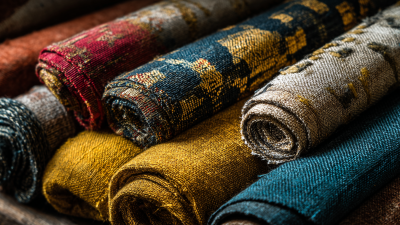
Textile colouring is a fundamental process in the textile industry, significantly influencing both the aesthetic appeal and functional attributes of various fabrics. It encompasses a wide array of techniques and methodologies aimed at imparting color to textiles, ranging from traditional dyeing methods to modern printing technologies. The choice of colouring technique can affect not only the vibrant hues and patterns achieved but also the overall quality and durability of the fabric.

As consumers increasingly prioritize the visual aspects of textiles, the impact of textile colouring on design becomes ever more pronounced. The ability to produce rich, diverse colors allows designers to express creativity and innovation, resulting in unique fabric creations that cater to changing fashion trends. However, mastering the intricacies of textile colouring also entails understanding the interactions between dyes and fabric fibers, which directly influence colorfastness, texture, and comfort.

In conclusion, textile colouring plays a crucial role in shaping the quality and design of fabrics, making it an essential focus for manufacturers and designers alike. Its significance stretches beyond visual appeal, intertwining with fabric performance, sustainability, and market viability in the competitive realm of textile production.
What is Textile Colouring and How Does it Impact Fabric Quality and Design

Textile Colouring: An Overview of Techniques and Methods

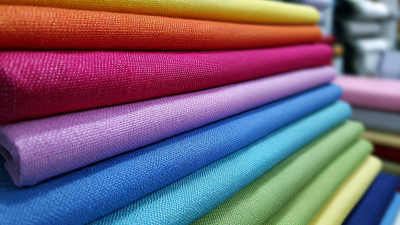
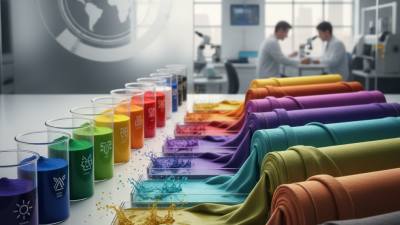
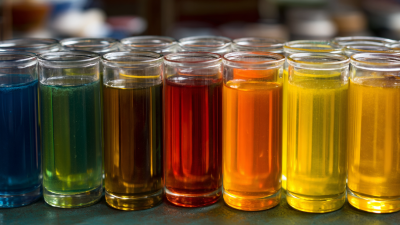
Textile colouring is an essential process in the textile industry that involves various techniques and methods to impart colour to fabrics. One of the most common methods is dyeing, where colour is applied to fabric through immersion in a dye bath. This technique can range from simple processes suitable for small-scale operations to complex industrial methods that ensure uniformity and efficiency. Common dyeing techniques include direct dyeing, where dyes are directly applied to fibers, and reactive dyeing, which creates a chemical bond between the dye and the fabric for enhanced durability.

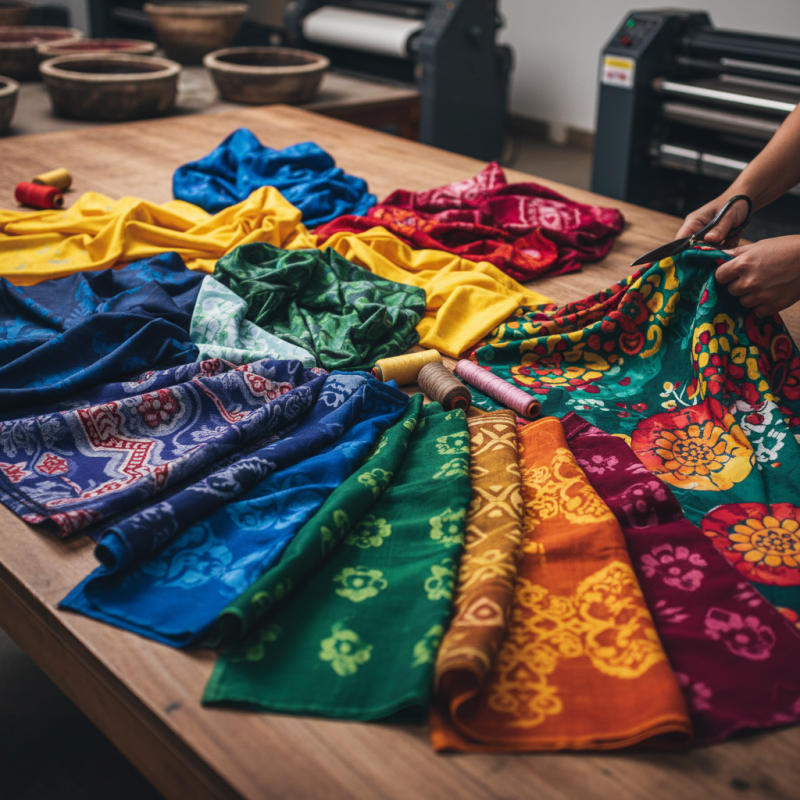
Another prevalent technique is printing, which applies colour in specific patterns and designs rather than uniformly across the material. Techniques like screen printing and digital printing allow for intricate designs and vivid colours, catering to the diverse demands of fashion and interior design. The choice between dyeing and printing can significantly influence the overall aesthetic and quality of the fabric, as the methods impact both colour vibrancy and longevity. Innovative methods such as eco-friendly dyes and advanced printing technologies also highlight the industry's commitment to sustainability, ensuring that environmental considerations are integrated into modern textile colouring practices.
The Role of Colour in Fabric Quality and Performance

Colour plays a critical role in determining fabric quality and performance, influencing not just aesthetics but also functionality and market value. According to a 2021 report by the Textile Research Journal, nearly 30% of consumer purchasing decisions are based on colour alone, emphasizing its importance in the textile industry. High-quality dyes and pigments contribute to better colour fastness, which is essential for maintaining the vibrancy and longevity of fabrics. For instance, fabrics that are dyed with high-quality reactive dyes tend to exhibit superior wash and lightfastness compared to those dyed with lower-grade alternatives. This enhanced durability ensures that garments retain their visual appeal over time, significantly impacting customer satisfaction and brand loyalty.

In performance textiles, colour can also affect the material's thermal properties and UV resistance. Research indicates that darker colours can absorb more heat, making them less suitable for summer wear, while whites and light colours reflect sunlight, making them ideal for warm weather applications. Additionally, the incorporation of colour in technical textiles is increasingly used for safety purposes; high-visibility colours are crucial in workwear and outdoor gear. A 2022 study highlighted that garments designed with conspicuous colours reduced accidents in low-light conditions by nearly 25%, showcasing the significant impact of colour choices on both safety and functionality in fabric design.

Impact of Colouring on Fabric Design and Aesthetics

The impact of coloring on fabric design and aesthetics is profound, shaping not only consumer preferences but also the functionality and marketability of textiles. According to the International Textile Manufacturers Federation, approximately 40% of a fabric's appeal is attributed to its color. This statistic underscores the critical role that color plays in attracting consumers. With advancements in dyeing technology, designers are now able to achieve an extensive array of colors and effects, such as gradients or ombre, which can transform ordinary fabrics into visually striking pieces that stand out in a competitive market.

Moreover, the psychological effects of color in fabric design cannot be ignored. Research published in the Journal of the Textile Institute indicates that specific colors can evoke emotional responses, influencing buying decisions and consumer behavior. For instance, warm colors like red and orange can convey energy and excitement, while cooler shades like blue and green tend to promote calmness and tranquility. Designers leverage this understanding to create textiles that resonate with consumers on an emotional level, thereby enhancing the overall aesthetic appeal of their collections. The integration of innovative coloring techniques not only elevates fabric design but also enriches the storytelling aspect of textile fashion.

Environmental Considerations in Textile Colouring Processes

The process of textile colouring is a crucial aspect of fabric production, but it carries significant environmental implications that cannot be overlooked. According to the World Bank, around 20% of global industrial water pollution is attributed to dyeing and finishing processes in the textile industry. This pollution occurs primarily due to the discharge of toxic chemicals used in dyeing, which can contaminate water bodies, affecting aquatic ecosystems and communities relying on clean water sources.

Moreover, the dyeing processes often require substantial amounts of water—approximately 100 to 200 liters of water are needed to dye just one kilogram of fabric. As the global demand for textiles continues to rise, this water consumption poses significant risks to water resources, particularly in regions already facing water scarcity. The implementation of more sustainable practices, such as waterless dyeing technologies or the use of natural dyes, could mitigate these concerns and reduce the industry's environmental footprint.

There is also an increased emphasis on the integration of eco-friendly chemicals in the textile colouring processes. Reports from the Ellen MacArthur Foundation suggest that transitioning to sustainable dyes not only minimizes adverse environmental effects but could also open new market opportunities, appealing to the growing segment of eco-conscious consumers. As the industry evolves, understanding and adopting environmentally considerate practices in textile colouring can enhance fabric quality while ensuring a healthier planet.

Future Trends in Textile Colouring and Innovation

What is Textile Colouring and How Does it Impact Fabric Quality and Design

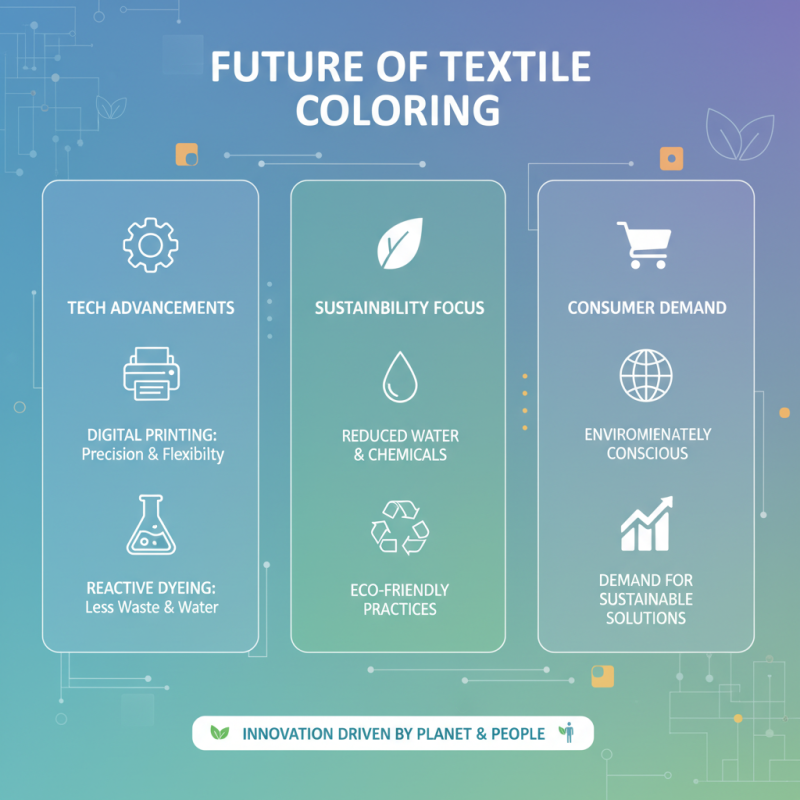
The future of textile colouring is poised for transformative innovation, driven by advancements in technology and a growing emphasis on sustainability. Emerging techniques, such as digital printing and reactive dyeing, offer unprecedented precision and flexibility in colour application, allowing designers to create intricate patterns with minimal waste. These methods reduce the traditional reliance on water and chemicals, aligning with eco-friendly practices that are becoming increasingly important in the textile industry. As consumers become more environmentally conscious, the demand for sustainable solutions in textile colouring will likely shape the direction of future innovations.

Moreover, the integration of artificial intelligence and machine learning is revolutionizing colour forecasting and trend analysis in the textile sector. Brands can now predict colour trends by analyzing vast amounts of data from social media, design shows, and market demand. This capability enables fabric manufacturers and designers to stay ahead of consumer preferences while minimizing the risk of overproduction. As digital tools evolve, the ability to customize colours and patterns in real-time is on the horizon, catering to individual tastes and fostering a more personalized approach in fabric design. The synergy of technology and sustainability will define the future landscape of textile colouring, ensuring that quality and creativity flourish in this dynamic field.