Essential Tips for Choosing Textile Processing Chemicals?
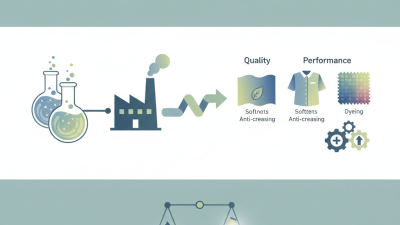
Choosing the right textile processing chemicals is crucial for any fabric production. These chemicals play a vital role in determining the quality and durability of textiles. However, the selection process can be complicated and overwhelming. With numerous options available, manufacturers often find it challenging to identify the best choices for their specific needs.
Understanding the characteristics of textile processing chemicals is essential. They vary greatly in terms of their effectiveness, safety, and environmental impact. Each type has its intended use, from dyes to finishing agents. Considering these factors is necessary for a well-informed decision. Supplier reputation matters as well; working with trusted brands enhances credibility.
It's also important to reflect on past choices. Were previous chemicals chosen based on trends or genuine suitability? Assessing prior experiences can lead to better decisions. Balancing performance and safety is key. Ultimately, investing time in selecting the right textile processing chemicals will yield better quality products and foster sustainable practices within the industry.
Understanding the Different Types of Textile Processing Chemicals
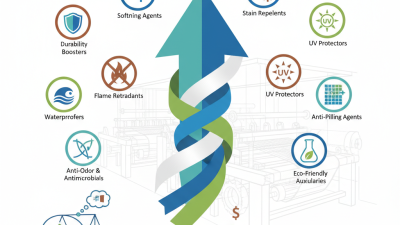
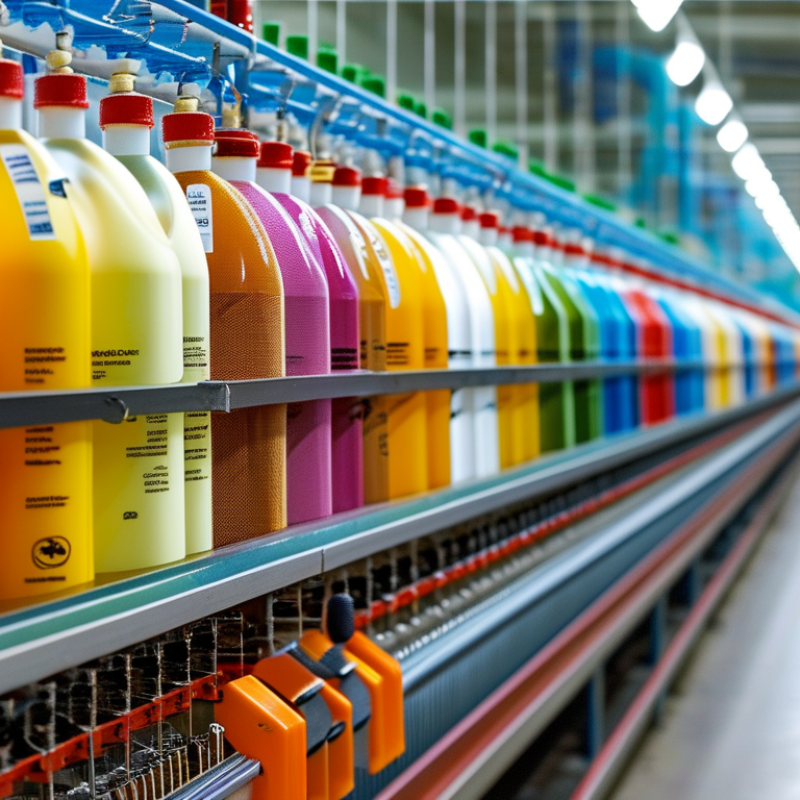
Textile processing chemicals play a vital role in transforming raw fibers into finished fabrics. Various types exist, each serving a specific purpose. For instance, dyeing agents alter the color of textiles, while finishing agents enhance texture and appearance. According to the market research report by Grand View Research, the global textile chemicals market was valued at over $25 billion in 2021, underscoring its importance in the industry.
Choosing the right chemicals involves understanding their categories: dyeing, printing, finishing, and specialty chemicals. Each category offers unique attributes, often leading to complex decision-making. Notably, the increasing demand for sustainable and eco-friendly options challenges manufacturers to innovate. The Global Organic Textile Standard reports a 34% rise in organic fiber production, reflecting a shift toward sustainability.
While various chemicals offer benefits, they come with potential drawbacks, such as environmental impact and worker safety concerns. It’s essential for textile manufacturers to prioritize safe handling and production methods. Reports indicate that misuse of chemicals can lead to hazardous conditions for workers and contamination of water sources. This highlights the necessity of thorough research and careful selection of textile processing chemicals.
Essential Tips for Choosing Textile Processing Chemicals
Evaluating Chemical Performance and Compatibility in Textile Applications
When selecting textile processing chemicals, evaluating their performance and compatibility is crucial. A recent report indicates that over 70% of textile manufacturers prioritize chemical effectiveness to enhance product quality. Selecting the right chemicals can lead to improved dye uptake, reduced water consumption, and minimized environmental impact.
Compatibility is another vital factor. Chemical interactions can significantly influence the durability of fabrics. For instance, incompatible chemicals may cause discoloration or fabric degradation. Studies show that nearly 30% of production issues stem from chemical incompatibilities. Make sure to review safety data sheets and compatibility charts to avoid these pitfalls.
Understanding the specific needs of your textile application is essential. Factors like fabric type, desired finish, and end-use should guide your decisions. Check performance data and real-world application case studies. These insights can offer a clearer picture of how a chemical might perform. Engaging with industry professionals can also provide practical knowledge. Choose to collaborate with experts who can share their experiences. This approach is beneficial for ongoing improvement in your processes.
Assessing Environmental Impact of Textile Processing Chemicals
When choosing textile processing chemicals, assessing their environmental impact is crucial. Many chemicals used in this industry can pose significant risks to ecosystems. For instance, dyes and finishing agents can end up in water systems, affecting aquatic life. It's vital to consider biodegradable options that reduce this impact. Chemicals that break down naturally are preferable to persistent pollutants.
Regulatory frameworks guide the use of textiles chemicals, but not all are created equal. Some may meet minimum requirements but still cause harm. It’s necessary to research the substances involved and consult safety data sheets. Companies often overlook the long-term effects of toxic chemicals. Transparency about the chemical composition can help mitigate potential environmental harm.
Recognizing the challenges in finding sustainable options is important. Many processes still rely on harmful substances due to cost or availability. However, alternatives are emerging that prioritize eco-friendly practices. Engaging with suppliers who share these values can lead to better decisions. The journey towards sustainable textile processing is ongoing, and reflection on current practices is essential for meaningful progress.
Regulatory Compliance and Safety Standards for Textile Chemicals
When selecting textile processing chemicals, it is crucial to prioritize regulatory compliance and safety standards. The textile industry is under scrutiny for its environmental impact and health risks. According to a report by the International Textile and Apparel Association, nearly 30% of textile chemicals do not meet established safety regulations. This raises concerns for manufacturers who must ensure their products comply, particularly with REACH in Europe and TSCA in the United States.
Proper documentation and certification can aid compliance. Manufacturers often overlook these essential steps, leading to legal and financial repercussions. The presence of harmful substances such as azo dyes or formaldehyde in products can not only damage the brand’s reputation but also endanger consumer health. Therefore, investing in reliable testing services is vital. According to a study by the Global Organic Textile Standard, 85% of companies that prioritize safety see a marked improvement in product quality.
Safety standards are not static. They evolve as new research emerges. Staying informed requires time and dedication. Engaging with industry experts can help businesses navigate these complex regulations. The balance between performance and safety remains a challenge. Companies must critically assess their chemical choices for long-term sustainability. This ongoing reflection is key to fostering a safer textile industry.
Essential Tips for Choosing Textile Processing Chemicals
| Chemical Type |
Regulatory Compliance |
Safety Standards |
Environmental Impact |
| Dyes |
REACH, TSCA |
OSHA, ANSI |
Potential aquatic toxicity |
| Finishing Agents |
GHS, REACH |
ISO 14001 |
Biodegradability issues |
| Bleaching Agents |
EPA regulations |
Health Canada |
High energy consumption |
| Softeners |
SVHC, GHS |
REACH, OSHA |
Volatile organic compounds |
Best Practices for Sourcing and Supplier Selection in Textile Chemicals
When sourcing textile processing chemicals, selecting the right supplier is a pivotal decision.
The textile industry is becoming increasingly aware of environmental and safety regulations.
According to a report by KPMG, nearly 70% of textile companies are prioritizing sustainable sourcing practices.
This shift requires careful consideration of suppliers who comply with these standards.
Evaluating supplier certifications and compliance with global regulations can reduce risks significantly.
Choosing the right chemicals requires understanding their impact on production and the environment.
Industry reports suggest that sourcing chemicals from suppliers with a proven track record can enhance product quality.
Poorly sourced chemicals can lead to contamination and increased production costs.
Research from the International Textile Manufacturers Federation indicates that improper chemical handling costs the industry billions annually.
Hence, it’s crucial to create a checklist for potential suppliers, focusing on reliability, transparency, and quality metrics.
Engaging in direct communication with suppliers is essential.
Discussing their sourcing practices can provide insights into their operational integrity.
It is vital to assess their capacity to meet both current and future regulatory requirements.
In a competitive market, suppliers who prioritize innovation and sustainability may be more beneficial in the long term.
Always look for opportunities to foster partnerships based on trust and shared values.