Colourinn Industries – Textile & Dyes Auxiliaries Manufacturer & Exporter

Blog

  1. Home
  2. /
  3. Blog

2025 Top 10 Textile Auxiliaries Innovations Driving Sustainability and Efficiency

In an era where sustainability and efficiency are paramount, the textile auxiliaries sector stands at the forefront of transformative innovations. Experts in the field are actively exploring ways to minimize environmental impact while enhancing production capabilities. One such expert, Dr. Emily Chen, a leading figure in textile chemistry, emphasizes, "The future of textile auxiliaries will not only drive performance but also prioritize sustainable practices that align with our planet's needs." This statement encapsulates the urgent call for the industry to reevaluate traditional practices and embrace forward-thinking solutions.

As we approach 2025, a new wave of innovations is emerging within the textile auxiliaries landscape. These advancements focus on optimizing manufacturing processes, reducing waste, and improving the overall lifecycle of textile products. Companies worldwide are recognizing that investing in sustainable auxiliaries is not just an ethical imperative, but also a strategic advantage that can enhance brand loyalty and attract eco-conscious consumers. The convergence of digital technologies with sustainable chemistry paves the way for smarter, greener production methodologies.

In this context, we present the "2025 Top 10 Textile Auxiliaries Innovations Driving Sustainability and Efficiency." These groundbreaking solutions represent the industry's commitment to advancements that not only enhance product quality but also safeguard our environment for future generations. As we highlight these innovations, we are reminded of the critical role that textile auxiliaries play in shaping a sustainable future for the textile industry.

2025 Top 10 Textile Auxiliaries Innovations Driving Sustainability and Efficiency

Sustainable Sourcing: The Role of Bio-Based Textile Auxiliaries in Reducing Carbon Footprint

The textile industry faces increasing pressure to reduce its environmental impact, and one of the critical strategies for achieving this is through sustainable sourcing. Bio-based textile auxiliaries, derived from renewable resources, play a pivotal role in minimizing the carbon footprint associated with textile production. These eco-friendly alternatives not only reduce dependency on fossil fuels but also promote a circular economy where materials can be reused and recycled.

The integration of bio-based textiles into manufacturing processes enhances efficiency while maintaining the performance standards required by the industry. Innovations in this sector, such as biomaterials for dyeing and finishing, are not only greener but also designed to function effectively with less water and energy. As brands pivot towards more sustainable practices, the shift to bio-based auxiliary agents emerges as a fundamental component in the quest for a more sustainable textile supply chain, ultimately leading to a significant decrease in greenhouse gas emissions.
Innovations in Dyeing Processes: Eco-Friendly Colorants and Their Impact on Water Consumption

2025 Top 10 Textile Auxiliaries Innovations Driving Sustainability and Efficiency

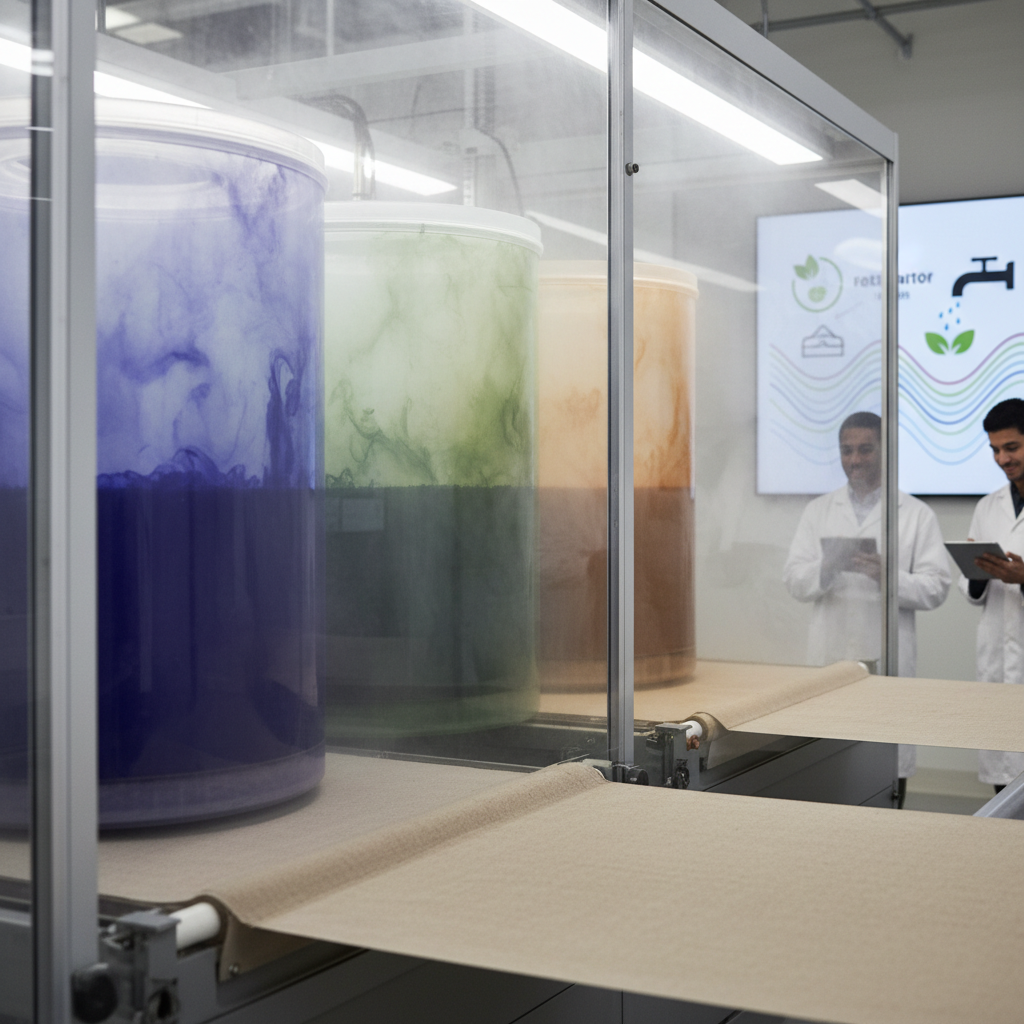
The textile industry is undergoing a transformative shift towards sustainability, with innovative dyeing processes leading the charge. Eco-friendly colorants are at the forefront of this movement, significantly reducing water consumption in textile production. Traditional dyeing methods often require vast quantities of water, contributing to environmental degradation and the depletion of vital water resources. In contrast, these new colorants are designed to be water-efficient, utilizing advanced technologies that minimize water usage without compromising on color quality.

Tips for implementing eco-friendly dyeing techniques include investing in water-efficient dyeing machines that recycle water and reduce waste. Additionally, exploring natural and biodegradable dyes can further minimize environmental impact while still meeting aesthetic demands. It's essential for manufacturers to assess their current processes and seek partnerships with suppliers specializing in sustainable materials, ensuring the entire supply chain is aligned with green practices.

The impact of these innovations extends beyond water savings; they also promote greater efficiency in the dyeing process. By reducing water and energy consumption, companies can lower operational costs while appealing to environmentally conscious consumers. As the market for sustainable textiles continues to grow, adapting to these eco-friendly practices will not only enhance brand reputation but also contribute to a healthier planet.

Revolutionizing Textile Finishing: Advanced Auxiliaries for Increased Fabric Durability and Waste Reduction

The textile industry is undergoing a transformative shift as it seeks innovative solutions that enhance fabric durability while minimizing waste. Advanced textile auxiliaries are at the forefront of this change, offering enhanced performance characteristics that are indispensable for modern fabric treatment. According to a report by MarketsandMarkets, the global textile auxiliary market is projected to reach $25 billion by 2025, with a significant portion attributed to eco-friendly and performance-enhancing innovations. These developments not only elevate the quality of textiles but also reinforce sustainability goals within the industry.

One key area of innovation is in finishing agents that promote water and stain repellency, which significantly extends the life of fabrics. For example, durable water-repellent (DWR) finishes have been shown to decrease the frequency of washing required, leading to substantial reductions in water usage. The Textile Exchange’s 2022 report highlighted that each kilogram of cotton produced contributes to 10,000 liters of water consumption; thus, by increasing fabric longevity and reducing maintenance, advanced auxiliaries contribute to more sustainable practices. Furthermore, these innovations are not just environmentally friendly; they also enhance operational efficiency, reducing production costs by minimizing fabric waste in the long run, thus supporting both profitability and environmental responsibilities.

Smart Textiles: The Integration of Tech-Driven Auxiliaries for Enhanced Performance and Functionality

The integration of tech-driven auxiliaries in smart textiles is revolutionizing the textile industry by enhancing performance and functionality while promoting sustainability. Innovative materials and technologies, such as intelligent sensors and conductive fibers, are enabling textiles to monitor environmental conditions, adapt to user needs, and improve overall efficiency. As global demand for functional and sustainable textiles grows, companies are investing in research and development to create smart textiles that not only meet performance standards but also contribute to reduced environmental impact.

The technical textiles market, projected to surpass USD 241.5 billion, is leading this transformation with rapid advancements in sustainable practices. Innovations such as water-repellent finishes, flame-resistant coatings, and biodegradable materials are being developed as auxiliaries to support eco-friendly production processes. These advancements not only fulfill market demands for high-performance textiles but also align with the broader goal of achieving sustainability in manufacturing. The convergence of technology and textiles is paving the way for a future where smart, sustainable fabrics enhance everyday products while minimizing their ecological footprint.

2025 Top 10 Textile Auxiliaries Innovations Driving Sustainability and Efficiency

Innovation Description Sustainability Impact Efficiency Benefits
Bio-Based Dyes Eco-friendly dyes made from natural resources. Reduces chemical waste and energy usage. Efficient dye uptake minimizes water consumption.
Recycled Fibers Fibers derived from post-consumer waste materials. Lowers landfill waste and carbon footprint. Reduces raw material sourcing costs.
Waterless Dyeing Technology Techniques that eliminate water use during dyeing. Significantly lowers water pollution. Increases dye consistency and color retention.
Smart Textiles with Sensors Fabrics integrated with responsive technology. Enhances wearability with real-time data tracking. Optimizes performance personalized to the user.
Eco-Friendly Finishes Finishing agents made from sustainable materials. Minimizes environmental impact of finishing processes. Enhances fabric durability and lifespan.
Biodegradable Plastics in Textile Production Plastics designed to break down over time. Reduces long-term waste accumulation. Improves material lifecycle management.
Nanotechnology in Fabric Treatment Enhancements at a molecular level for improved properties. Decreases resource use for high-performance textiles. Boosts functionality without significant weight increase.
Energy Harvesting Textiles Fabrics that generate power from movement. Supports renewable energy use in textiles. Provides alternative energy sources for wearable tech.
Advanced Water Repellent Coatings Coatings that enhance water resistance without harmful chemicals. Minimizes the use of toxic repellents. Increases fabric performance in wet conditions.

Lifecycle Assessment of Textile Auxiliaries: Measuring Sustainability Metrics for Informed Decision-Making

Lifecycle Assessment (LCA) has emerged as a vital tool in measuring the sustainability metrics of textile auxiliaries, enabling manufacturers to make informed decisions that align with eco-friendly practices. According to a report by the Textile Exchange, the global textile industry accounts for 1.2 billion tons of greenhouse gas emissions annually, which emphasizes the importance of optimizing textile auxiliaries for sustainability. By implementing LCA, companies can evaluate the environmental impact of each auxiliary used in the textile production process, focusing on key indicators such as energy consumption, water usage, and waste generation.

Recent advancements in textile auxiliaries, particularly in the realm of biodegradable and low-impact chemicals, reflect a shift towards sustainable practices. For instance, a study conducted by Ecotextile News highlighted that the adoption of innovative auxiliaries, such as bio-based softeners and dyes, can reduce carbon footprints by as much as 30%. Furthermore, utilizing LCA in conjunction with these innovative products allows companies to continuously improve their processes, ultimately leading to more efficient resource management and fostering a circular economy. Embracing such measures not only enhances operational efficiency but also positions brands as leaders in the sustainability movement within the textile industry.