Blog
- Home
- /
- Blog
Top 10 Textile Colouring Techniques for Stunning Fabric Design?
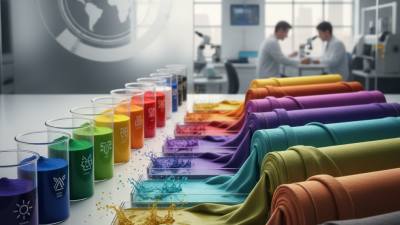
Textile colouring is an essential aspect of fabric design. It enhances the aesthetic appeal and versatility of textiles. Numerous techniques exist that artists and manufacturers use to achieve stunning visual effects. Each method carries its unique characteristics and challenges.
Understanding these techniques is crucial for anyone in the textile industry. For instance, tie-dye creates vibrant patterns but requires practice and skill. Screen printing allows for bold designs but can be time-consuming. Each method opens a world of creativity while presenting potential pitfalls that artisans must navigate.
Exploring these textile colouring techniques can inspire both seasoned designers and newcomers alike. The variety of options encourages experimentation. However, each choice can lead to unexpected results. Embracing the learning process is vital. Discovering the perfect technique for your fabric design is an art that demands patience and passion.
Overview of Textile Colouring Techniques
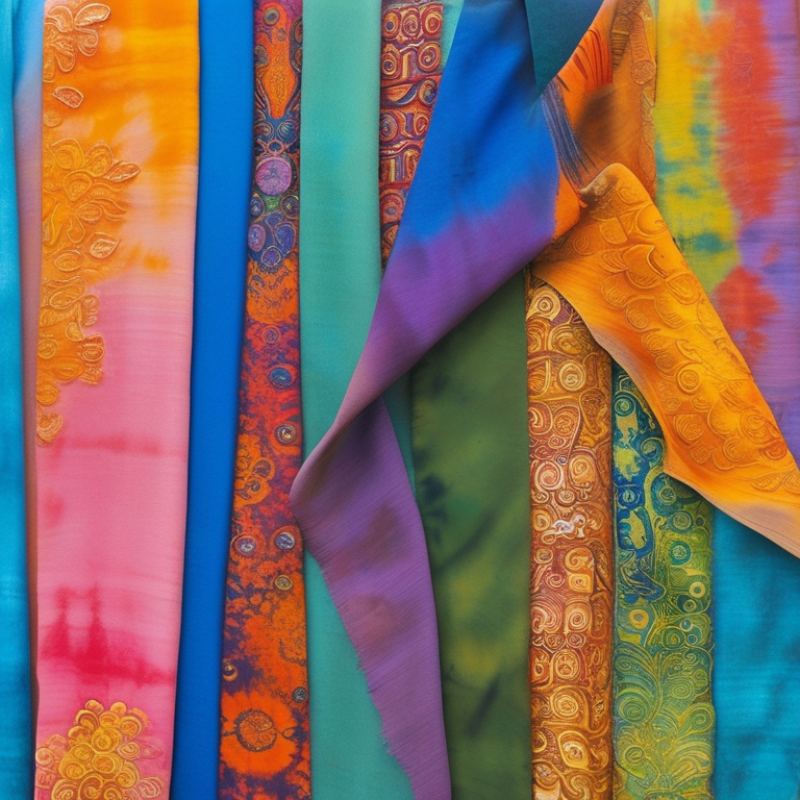
Textile colouring techniques play a vital role in enhancing fabric design. The art of dyeing and printing involves a variety of methods, each with unique characteristics. According to the International Textile and Apparel Association, over 65% of fabric producers rely on digital printing for its versatility and efficiency.
Natural dyeing is experiencing a resurgence, appealing to eco-conscious consumers. This method uses plant-based materials, resulting in organic hues. However, achieving consistent results can be challenging and may require experimentation. Specific dyes may not be readily available, making the process unpredictable.
When working with synthetic dyes, always pay attention to their environmental impact. Many synthetic dyes are toxic and can harm water systems. It’s crucial to consider alternative options that balance quality with sustainability.
Tips for budding textile artists include testing small fabric swatches. This helps in understanding how colors take shape on different materials.
Experimentation indeed forms the backbone of fabric design. Incorporating different techniques can enhance creativity. Mistakes can lead to unexpected, stunning results. Embrace the journey and let the fabrics speak for themselves.
Traditional Dyeing Methods: Pros and Cons
Traditional dyeing methods hold a significant place in the textile industry. They offer rich colors and a unique touch to fabrics. However, they come with both advantages and disadvantages. For instance, natural dyes made from plants provide organic colors. Reports indicate that around 60% of designers prefer these for sustainable fashion. Yet, the color fastness can be a concern. These dyes may fade quicker than synthetic options.
On the other hand, synthetic dyes dominate the market. They account for about 80% of the global dyeing industry. Synthetic dyes offer vibrant colors and greater durability. However, they often involve harmful chemicals. This can have serious environmental impacts. Recent data shows that the textile industry emits nearly 1.2 billion tons of CO2 annually, raising significant concerns.
In essence, navigating the pros and cons of dyeing methods is crucial. Designers must weigh sustainability against performance. Balancing these factors can seem daunting. While traditional methods offer beauty and authenticity, the convenience and efficiency of synthetics cannot be ignored. This ongoing debate invites reflection within the industry as it moves toward a more sustainable future.
Top 10 Textile Colouring Techniques
This chart displays a comparison of traditional dyeing methods used in textile design, showcasing their effectiveness and environmental impact.
Modern Techniques: Innovations in Fabric Dyeing
Innovations in fabric dyeing are reshaping the textile industry. The global dyeing market is projected to reach $14.5 billion by 2025, growing at a compound annual growth rate of 6.5%. Modern techniques offer impressive color vibrancy and sustainability, crucial for today's eco-conscious consumers. One notable advancement is digital printing, which enables detailed designs while minimizing water and chemical use.
Natural dyes are making a comeback, driven by a desire for organic solutions. Reports suggest that 30% of consumers now prefer textiles dyed with plant-based substances. However, the challenge lies in consistency and scalability. Many artisans produce stunning results with natural dyes, but large-scale manufacturers often struggle with uniformity.
Emerging technologies, like 3D textile printing, promise to transform the industry further. This method allows for intricate patterns while reducing waste. Nevertheless, it lacks widespread adoption due to high costs and technical barriers. Balancing innovation with practicality remains a challenge. As the industry evolves, the path forward demands collaboration and adaptation.
Eco-Friendly Approaches to Textile Colouring
Sustainable textile colouring techniques are gaining traction in the fashion and design industries. Natural dyes, derived from plants and minerals, are a key component. They offer a rich palette and are biodegradable. For example, indigo from indigofera leaves creates stunning blues. These materials are safer for both users and the environment.
However, the process of sourcing natural dyes often poses challenges. It can be difficult to obtain consistent shades. Moreover, some natural dyes require high quantities of water, which brings its own environmental concerns. Although these methods are eco-friendly, they are not without flaws.
Incorporating eco-friendly techniques does not always guarantee quality. Many designers struggle to balance aesthetics with sustainability. It raises important questions about the impact of each choice in the design process. By exploring eco-conscious options, creators can inspire a shift towards a more responsible fashion industry.
Combining Techniques for Unique Fabric Designs
Combining different fabric dyeing techniques can lead to unique and stunning designs. Mixing methods like batik, tie-dye, and screen printing creates unexpected patterns. Batik provides intricate details, while tie-dye adds a freeform feel. Screen printing introduces bold colors and shapes.
Exploring these techniques opens up endless creativity. The play of colors can evoke emotions and tell stories. Adjusting the ratio of techniques can yield varying results. However, mastering the combination takes practice. Success isn’t guaranteed every time. One might face unexpected outcomes that challenge initial plans. Embracing these imperfections is part of the creative journey.
Pairing styles may not always work as envisioned. Sometimes, they clash instead of harmonize. It's crucial to experiment without the fear of failure. Documenting processes helps analyze what works. Such reflections can enhance skills over time. Embracing versatility in design enriches your textile projects significantly.
Top 10 Textile Colouring Techniques for Stunning Fabric Design
| Technique | Description | Materials Needed | Best For |
|---|---|---|---|
| Block Printing | A technique involving carved blocks to print patterns on fabric. | Fabric, dye, carved blocks | Cotton, linens |
| Tie-Dye | Dyeing technique that uses binding and folding to create patterns. | Cotton fabric, dye, rubber bands or strings | Casual wear, summer clothing |
| Screen Printing | Involves creating a stencil and pushing ink through a screen onto fabric. | Screen, ink, emulsion, fabric | T-shirts, bags, banners |
| Sublimation Printing | Involves transferring dye onto materials using heat. | Sublimation ink, heat press, polyester fabric | Sportswear, custom designs |
| Batiking | A wax-resist dyeing technique known for intricate designs. | Fabric, wax, dye, brushes | Exotic fabrics, decor |
| Digital Printing | Uses inkjet technology to print detailed designs directly onto fabric. | Digital printer, specialty inks, fabric | High-resolution images, custom prints |
| Airbrush Painting | Spraying dye onto fabric for soft, blended designs. | Airbrush, dye, compressor | T-shirts, canvas, custom art |
| Resist Dyeing | Technique where areas of fabric are protected from dye. | Dye, resist material (e.g., wax, tape) | Intricate patterns, durable designs |
| Natural Dyeing | Uses plant or animal materials to create dyes. | Plants, mordants, fabrics | Eco-friendly, organic fabrics |
Related Posts
-
10 Best Types of Dyes Used in the Textile Industry for Vibrant Fabrics
-
What is Textile Colouring and How Does it Impact Fabric Quality and Design
-
2025 How to Choose the Right Types of Textile Dyes for Your Projects
-
Essential Textile Dyeing Chemicals You Need to Know?
-
Top 10 Processing Textile Techniques for Global Buyers?
-
Top 10 Textile Finishing Chemicals You Need for Global Sourcing