Blog
- Home
- /
- Blog
Top 10 Textile Suppliers in Turkey for Global Buyers?
The textile industry in Turkey, known for its rich heritage and innovation, is a key player in the global market. According to the Textile and Fashion Industry Federation (TMHF), Turkey ranks among the top ten textile exporters worldwide, contributing over $10 billion to the global textile trade in 2022. Experts emphasize that the quality and diversity of Turkish textiles set it apart from competitors. Renowned textile analyst, Dr. Mehmet Aydin, notes, "Turkish textiles are not just fabric; they embody craftsmanship and culture."
The demand for high-quality materials continues to rise, with global buyers looking for reliable suppliers. This trend highlights the importance of understanding the landscape of textile turkey. Several key suppliers have emerged, offering everything from cotton to advanced technical fabrics. However, potential challenges remain, including varying compliance standards and shifts in production costs. Buyers must navigate these complexities to find trustworthy partners. In this ever-evolving market, identifying the top textile suppliers in Turkey is crucial for success.
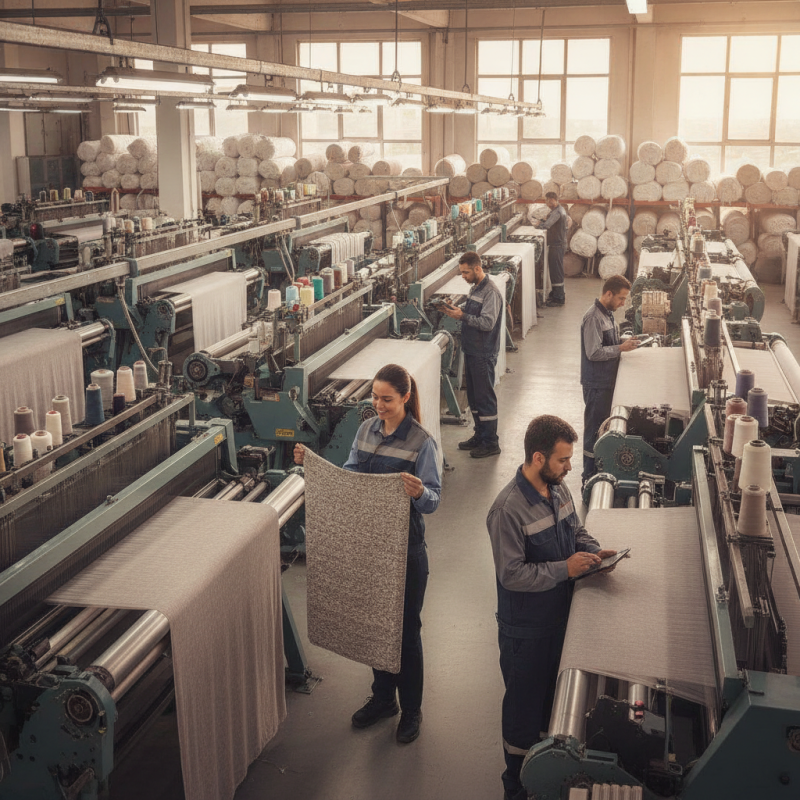
Top Textile Export Markets for Turkey: Key Statistics and Trends
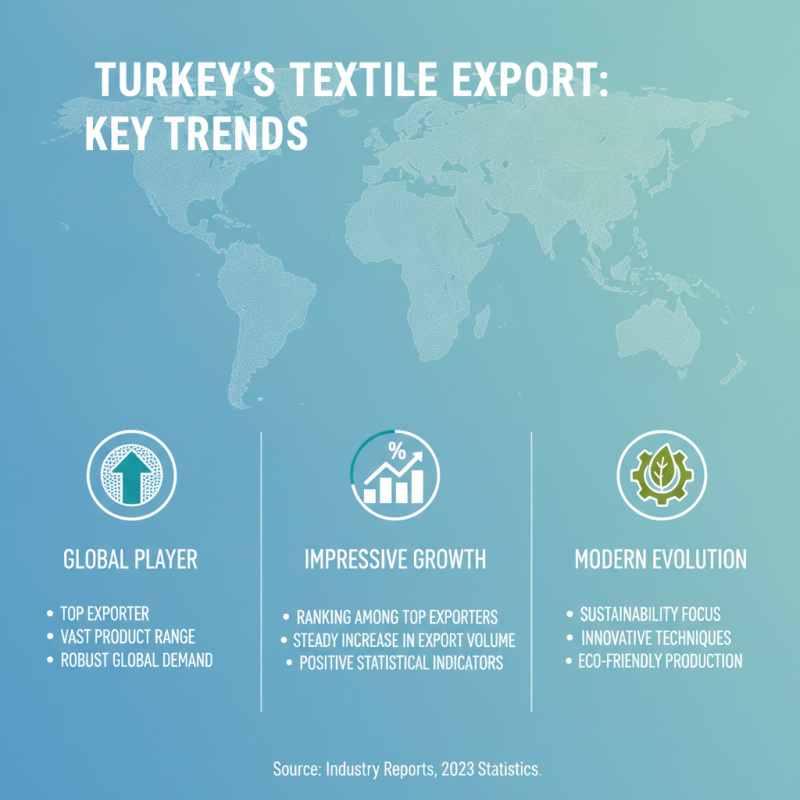
Turkey is a key player in the global textile market. The country ranks among the top exporters due to its vast range of textile products. Recent statistics showcase Turkey's impressive growth in textile exports, indicating a robust demand from various countries. The textile industry in Turkey has evolved, with modern trends focusing on sustainability and innovative manufacturing techniques.
To benefit from Turkey’s textile sector, consider these tips. First, understand the preferred materials and styles in your target market. Research trends to align your offerings accordingly. Utilizing local resources can lead to cost-effective solutions and unique product lines.
The major export markets for Turkish textiles include Europe, the Middle East, and North Africa. Buyers should keep an eye on emerging markets as well. This can present new opportunities. Also, be aware that some Turkish suppliers may struggle with meeting international quality standards. Focusing on reliability when partnering with suppliers is crucial for success in this competitive landscape.
Leading Turkish Textile Manufacturers: An Overview of Their Capabilities
Turkey has long been recognized as a major player in the global textile industry. Turkish textile manufacturers are known for their innovative designs and quality materials. They offer a wide range of products, from cotton and wool textiles to synthetic fibers. This variety caters to diverse buyer needs worldwide.
Turkish suppliers often focus on sustainability. Many use eco-friendly materials and processes. However, challenges remain in scaling sustainable practices. Buyers may encounter differing quality standards, which require diligent oversight. Effective communication with suppliers is crucial for ensuring product consistency.
Moreover, lead times can be unpredictable. While some manufacturers are efficient, others may struggle to meet deadlines. It’s essential for global buyers to assess the capabilities of Turkish textile companies thoroughly. Engaging with local experts can provide valuable insights. This helps in navigating the complexities of the market. Building strong partnerships ensures reliability and quality in the long run.
Sustainability in Turkish Textile Production: Current Practices and Metrics
Sustainability in Turkish textile production is gaining momentum. Many manufacturers are adopting eco-friendly practices. These practices aim to reduce water usage, energy consumption, and waste generation. Innovative techniques are emerging in dyeing and finishing processes. These methods are less harmful to the environment.
However, challenges remain. Some companies struggle with the high costs of sustainable materials. There is also inconsistency in implementing these practices. Transparency is crucial; buyers want to know the impact of their purchases. Metrics to gauge sustainability are becoming essential for producers.
Many organizations are working on guidelines. They help factories measure and report their environmental impact. Local universities are collaborating with industries to research better methods. This cooperation could lead to improved practices in the future. Continuous education is needed to ensure everyone stays informed and motivated. Sustainable textile production is a journey, not a destination.
Top 10 Textile Suppliers in Turkey for Global Buyers
| Supplier Type | Sustainability Practices | Production Capacity (tons/year) | Certifications | Export Markets |
|---|---|---|---|---|
| Cotton Supplier | Organic farming, water conservation | 50,000 | GOTS, OEKO-TEX | Europe, US |
| Synthetic Fiber Supplier | Recycling initiatives, waste reduction | 30,000 | ISO 14001 | Asia, Europe |
| Denim Manufacturer | Waterless dyeing, eco-friendly chemicals | 70,000 | GOTS, Denim Council | North America, Europe |
| Wool Supplier | Animal welfare, natural dyes | 20,000 | ZQ Merino, Responsible Wool Standard | Australia, UK |
| Knitted Fabric Supplier | Sustainable sourcing, energy efficiency | 40,000 | OEKO-TEX, LCA certified | Europe, South America |
| Home Textile Supplier | Biodegradable materials, fair trade | 25,000 | Fair Trade, GOTS | Global |
| Technical Textile Supplier | Innovative materials, lifecycle assessment | 60,000 | ISO 9001 | Industrial markets |
| Silk Supplier | Ethical sourcing, minimal chemicals | 15,000 | Silkmark | Asia, Europe |
| Non-Woven Fabric Supplier | Recycled content, sustainable practices | 35,000 | REACH, ISO 14001 | Medical, automotive |
| Fashion Textile Supplier | Sustainable trends, eco fabrics | 55,000 | GOTS, OEKO-TEX | Global |
Innovations in Textile Technology: Contributions from Turkish Suppliers
Turkey has established itself as a significant player in textile technology innovation. Turkish suppliers are renowned for their ability to blend tradition with modern techniques. This unique combination leads to high-quality fabrics, advanced production methods, and eco-friendly practices. Many companies invest in research and development, ensuring they stay at the forefront of textile trends.
For global buyers, understanding these innovations is crucial. Fabrics that are more durable, breathable, and sustainable are emerging from Turkey. Turkish suppliers increasingly focus on digital textile printing and smart textiles. These advancements allow for more customization and quicker turnaround times. Collaboration between Turkish manufacturers and tech firms enhances these developments, pushing boundaries.
**Tip:** When exploring suppliers, assess their commitment to sustainable practices. The transparency of their supply chain can reveal a lot about their ethical standards.
Nevertheless, it’s essential to note that not all suppliers adapt quickly to new technologies. Issues in production processes may arise, and quality can vary. Taking the time to verify capabilities through samples and feedback is vital.
**Tip:** Engage with suppliers about their innovation practices during initial conversations. This will provide insight into their willingness to evolve and meet global demand.
Innovations in Textile Technology: Performance Metrics of Turkish Suppliers
Impact of Global Trade Policies on Turkey's Textile Industry Growth
Global trade policies significantly influence Turkey's textile industry. Changes in tariffs, import quotas, and trade agreements create both challenges and opportunities for manufacturers and exporters. These policies determine how competitive Turkish textiles can be in the international market. Lower tariffs can enhance market access, while higher tariffs can restrict it.
The Turkish textile sector relies heavily on global demand. Imports and exports fluctuate based on trade relations. For example, shifting trade agreements can alter raw material costs. When materials become expensive, production costs rise. This scenario forces manufacturers to rethink their strategies. Adaptation is key in this ever-evolving landscape.
Furthermore, political shifts can create uncertainty. Policies that favor local production might encourage investment. However, if international relations sour, export opportunities could face serious hurdles. The textiles industry must remain agile to navigate these complexities. Producers often need to balance quality and cost. Long-term growth requires a responsive approach to global changes.
Related Posts
-
What is Textile Turkey and its Impact on the Global Market?
-

2026 How to Find the Best Textile Distributors for Your Business?
-

What is Textile Auxiliary Chemicals and Their Importance in Fabric Production?
-

Top Tips for Optimizing Your Textile Website for Better Search Rankings
-
Top 10 Textile Chemical Processing Techniques You Should Know?
-

Top 10 Textile Mills for Global Sourcing in 2026?