
The right acetic acid substitute is an important decision for textile manufacturers who want to optimize dyeing processes while considering sustainability and economic aspects.
This article discusses acetic acid replacement in textile production, types like citric acid and formic acid, pH control, environmental impact and fabric compatibility. We also discuss acetic anhydride alternative options and how Colourinn Auxiliaries tailors solutions to suit your dyeing process and industry standards.
Acetic Acid Substitute Overview: Key Insights
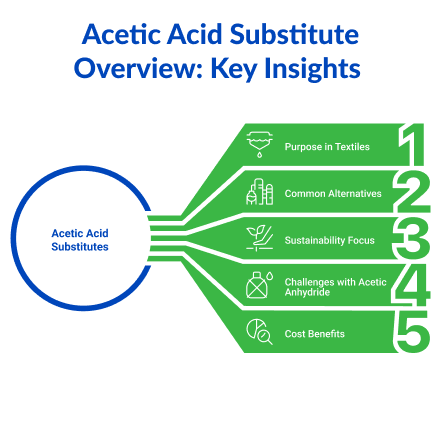
- Purpose in Textiles: Acetic acid substitutes adjust pH in dyeing (to achieve bright colours and good dye fixation).
- Common Alternatives: Alternate acetic acid substitutes are: citric acid, green acids, sodium acetate and formic acid.
- Sustainability Focus: Substitutes such as citric acid & green acids reduce environmental impact & wastewater toxicity.
- Challenges with Acetic Anhydride: In many countries this is restricted due to regulation issues and thus acetic anhydride alternative solutions like acetyl chloride or propionic anhydride are needed.
- Cost Benefits: Substitutes like sodium acetate and citric acid are usually cheaper than traditional acetic acid.
Why Acetic Acid Substitutes Matter in Textiles
In textile dyeing, acetic acid adjusts the pH of dye baths to improve dye uptake and color fastness. However, its strong odour, corrosiveness and environmental concern make acetic acid substitutes necessary. These alternatives maintain pH control, fabric quality and sustainability goals. The right acetic acid replacement allows manufacturers to achieve vivid colors, low cost and low ecological impact – an important decision in modern textile processing.
Acetic acid has a pH 4-6 environment that encourages dye-fibre bonding, especially for acid dyes used on wool, silk and nylon. This ensures uniform colour and durability, but causes skin irritation and wastewater pollution. Acetic acid substitutes solve these problems with similar performance.
Also, read more about dyeing process at: Why Dyeing is an Essential Process in Textile Manufacturing
Types of Acetic Acid Substitutes
Several different substitutes for acetic acid exist with properties suitable for textile applications. The following are the most common substitutes.
- Citric Acid
Citric acid is a mild eco eco-friendly replacement for acetic acid. It adjusts pH & is less corrosive than acetic acid. Key features include:
- Sustainability: Biodegradable and non-toxic, perfect for eco production.
- Applications: Use for wool, silk & cotton dyeing.
- Drawback: Slightly higher cost, but environmental benefit.
- Formic Acid
Formic acid is a low cost alternative to acetic acid that needs lower dosages to obtain the same pH control. It is used in textile processing. Benefits include:
- Eco-Efficiency: Less environmentally harmful than acetic acid.
- Performance: Increases dye uptake for better color.
- Limitation: Strong odor requires ventilation.
- Sodium Acetate
Sodium acetate is a salt of acetic acid used in pH buffering. It works best on delicate fabrics. Advantages include:
- Cost-Effective: Affordable & easily available.
- Gentle on Fabrics: Saves texture & quality.
- Use Case: Common in pretreatment & finishing processes.
- Green Acids
Green acids such as Colourinn’s Texacid Eco are biodegradable acetic acid substitutes for textile processing. They offer:
- Compliance With Zero Liquid Discharge (ZLD): Minimizes wastewater toxicity.
- Versatility: Dyeing, scouring and finishing clothes.
- Safety: It is non-corrosive and has low odor for workplace safety.
- Acetic Anhydride Alternatives
There are limitations on acetic anhydride in some regions, for example, India, which makes alternative acetyl chloride or propionic anhydride possible for acetylation processes. These alternatives are:
- Acetyl Chloride: Probably more reactive but more delicate to handle.
- Propionic Anhydride: Good for specific applications but less common.
- Limitations: Regulatory hurdles and increased reactivity may impair use.
Key Factors for Choosing an Acetic Acid Substitute
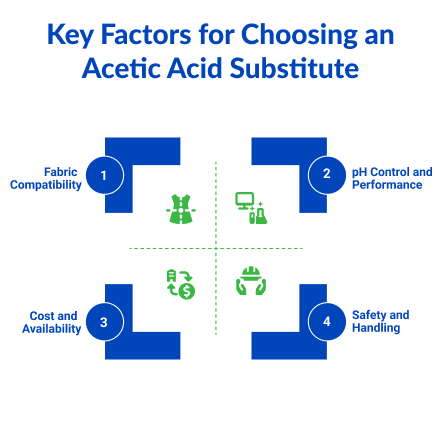
Several factors determine this choice: the substitute should meet production goals and fabric requirements. The following are considerations to help you make a decision.
- Fabric Compatibility: The substitute must suit the fabric to achieve proper dyeing. For example, silk and wool have milder acetic acid replacement options like citric acid or sodium acetate to prevent damage. Cotton or synthetic fabrics such as polyester can handle stronger substitutes such as formic acid or green acids that allow strong dye uptake without compromising fabric integrity. Never scale up production without testing substitutes on small fabric samples.
- pH Control and Performance: Proper pH control is necessary for dye fixation (for most textile dyes pH 4-6 is suitable). A suitable acetic acid substitute should have constant pH during dyeing, otherwise the dyebath may become turbid and the dye-fiber bond strength is poor. For instance, green acids and formic acid give consistent buffering while acetic anhydride alternative options like acetyl chloride may require additional catalysts for acetylation processes. Check the buffering capacity of the substitute to prevent uneven coloration or fabric damage.
- Cost and Availability: Budget and supply chain related constraints are considered while selecting an acetic acid replacement. Substitutes such as sodium acetate & citric acid are often less expensive than glacial acid and readily available. But specialized options like green acids have higher initial costs but provide long-term savings through eco-efficient processes. Check that the chosen substitute is available locally to avoid production delays, especially for restricted chemicals such as acetic anhydride alternatives.
- Safety and Handling: Acidic substitutes require worker safety first. Options like citric acid or green acids are less volatile and have milder odors than acetic acid, which reduces irritation risks in dye bath or damp environments. Alternatives to acetic anhydride like acetyl chloride have very strict safety protocols because they are very reactive. Choose substitutes that are less toxic with clear handling instructions so the work area remains safe.
Application Methods for Acetic Acid Substitutes
Correct application of acetic acid substitutes is important both for even dyeing results and for the best possible utilization in textile processing.
Padding
This method dips fabrics in a solution of the acetic acid substitute (citric acid / sodium acetate) and passes them between rollers to remove excess liquid. It affords evenness of distribution over the fabric surface, so is suitable for continuous dyeing processes. At least keep the pH between 4-5 and avoid residues like oils or surfactants that may hinder absorption.
Exhaustion
In the exhaustion method for batch dyeing the fabrics are immersed in a dye bath into which the acetic acid replacement is added progressively. This allows the substitute to be absorbed slowly such as formic or green acids, thus ensuring uniform dye uptake. Particularly good for batches of small quantities or for delicate fabrics such as silk where precise pH control is needed. Monitor bath temperature (typically 50-80degC) to improve absorption efficiency.
Spraying
Spraying applies the acetic acid substitute onto the fabric areas generally used for spot treatments or limited production. It’s less common because of possible unevenness but suitable for specialty textile or localized dyeing. Avoid overuse that results in patchy results – calibrate precisely. This method is practicable with acetic anhydride replacements for acetylation; however these must be handled carefully regarding their reactivity.
Foam Application
This method uses foam to deliver acetic acid substitute – no water or chemical needed! It’s becoming popular for sustainable production-especially with green acids. Foam application wastes little and provides even coverage especially for light-weight or knitted fabrics. Adjust foam density & curing conditions to maintain substitute effectiveness.
Challenges and Considerations
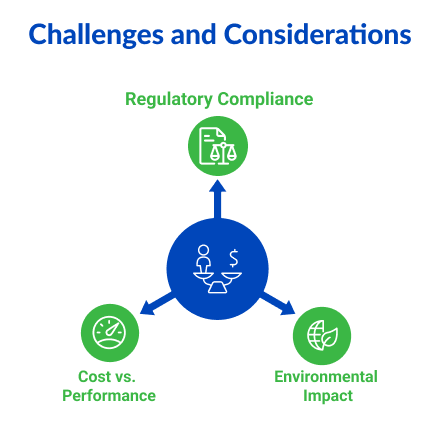
Acetic acid substitutes offer advantages but are challenging to manage in textile production. Meeting these ensures optimal performance and industry standard compliance.
- Regulatory Restrictions: Some substitutes for example acetic anhydride alternatives such as acetyl chloride are restricted because of their heavy use in drug synthesis. In some places like India, acetic anhydride is controlled and safer alternatives are needed. Comply with local and international regulations (like REACH or ZDHC) to prevent legal and environmental fines.
- Environmental Impact: Substitutes like green acids lower wastewater toxicity but improper disposal of any acetic acid replacement can harm aquatic ecosystems. Low pH levels in effluents may disturb local waterways. Incorporate pH neutralizing wastewater treatment systems and invest in biodegradable substitutes in line with sustainability targets.
- Cost vs. Performance Trade-Offs: Affordable substitutes like sodium acetate might be inferior to specialized green acids in heavy dyeing applications. Cost versus performance means balancing long-term benefits such as reduced water usage or compliance with eco-certifications against initial costs. Pilot testing may reveal the most economical acetic acid substitute for your needs.

Colourinn’s Commitment to Sustainable Acetic Acid Solutions
At Colourinn Auxiliaries, we empower textile manufacturers with the right acetic acid substitute to achieve vibrant, durable fabrics. This guide has reviewed key substitutes such as citric acid, formic acid and green acids for pH control, sustainability and cost-efficiency. Our expertise in acetic anhydride alternative and replacement solutions ensures quality results for you.
Ready to upgrade to acetic acid substitutes for dyeing? Contact Colourinn Auxiliaries to know more about our innovative Texacid Eco and other solution. Find out how we can replace your textile production with high-performance alternatives today!
Frequently Asked question(FAQs):
Q1. What is the best Acetic Acid Substitute for dyeing in the textile industry?
A. The best Acetic Acid Substitute for dyeing in textiles is one that maintains pH control, improves color fixation, and is environmentally safer than traditional acids.
Q2. How do I choose the right Acetic Acid Substitute for textile applications?
A. To choose the right Acetic Acid Substitute for textile use, consider factors like pH level, fabric compatibility, dyeing performance, and environmental impact.
Q3. Can switching to an Acetic Acid Substitute affect dyeing quality in textiles?
A. When chosen correctly, an Acetic Acid Substitute can maintain or even improve dyeing quality in textiles, ensuring vibrant colors and better fabric care.